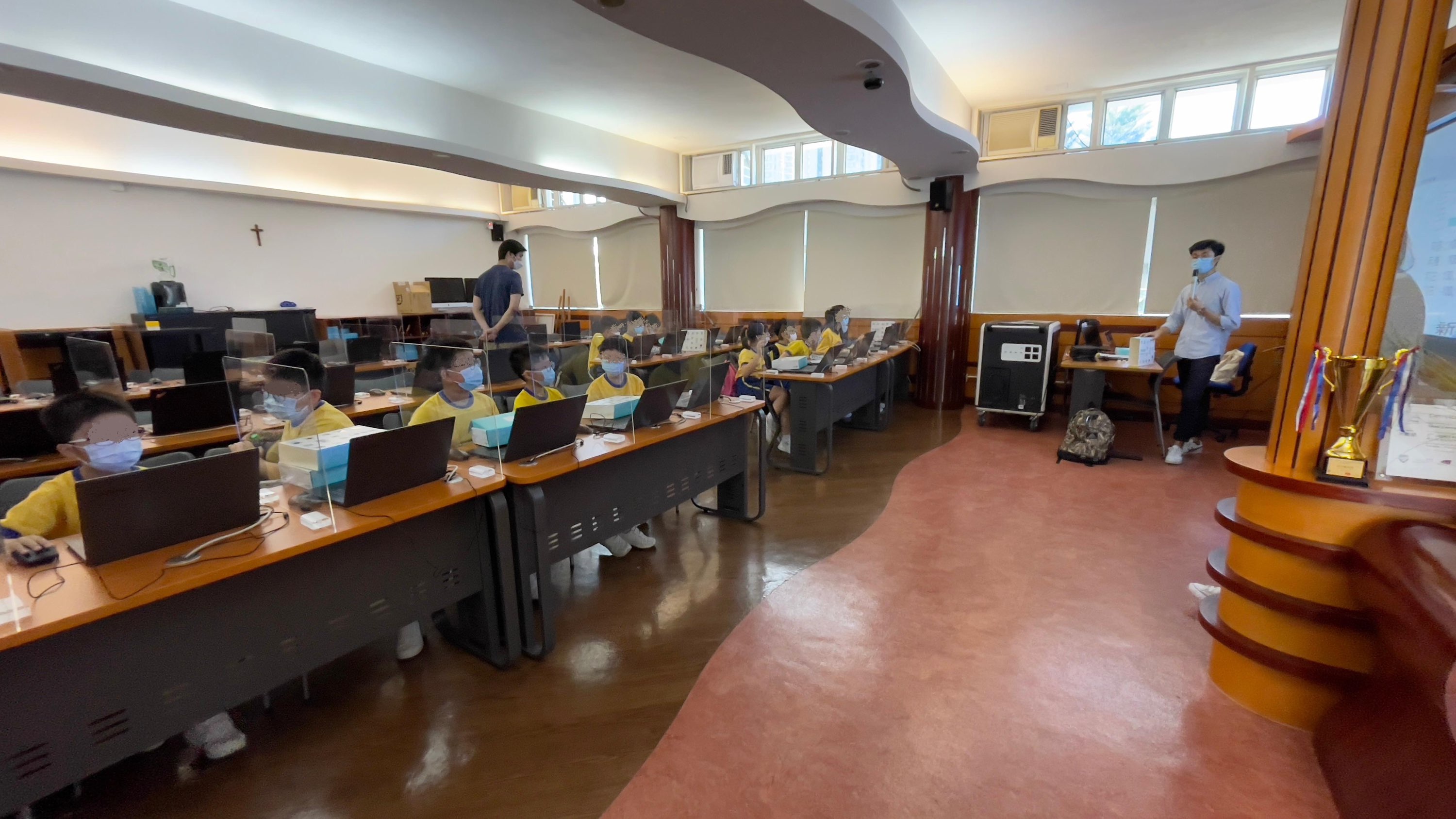
Shek Chung Shan Memorial Catholic Primary School — MODI Experience Course
In 2021, we delivered a six-session MODI electronic building block programming workshop at Shek Chung Shan Memorial Catholic Primary School, enabling students to learn STEM knowledge and explore Internet of Things (IoT) applications in an engaging and enjoyable way.
MODI's Innovation and Uniqueness
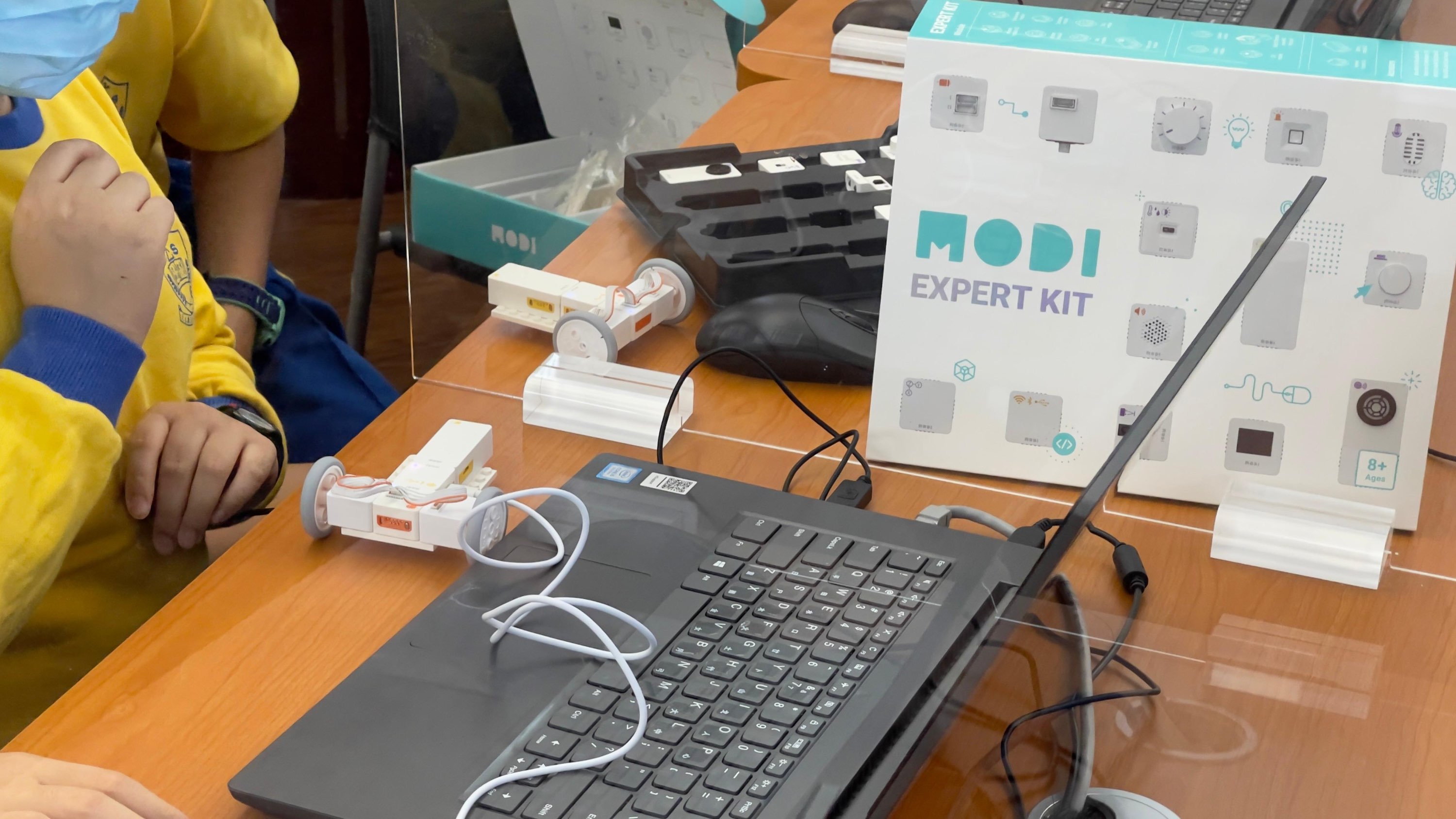
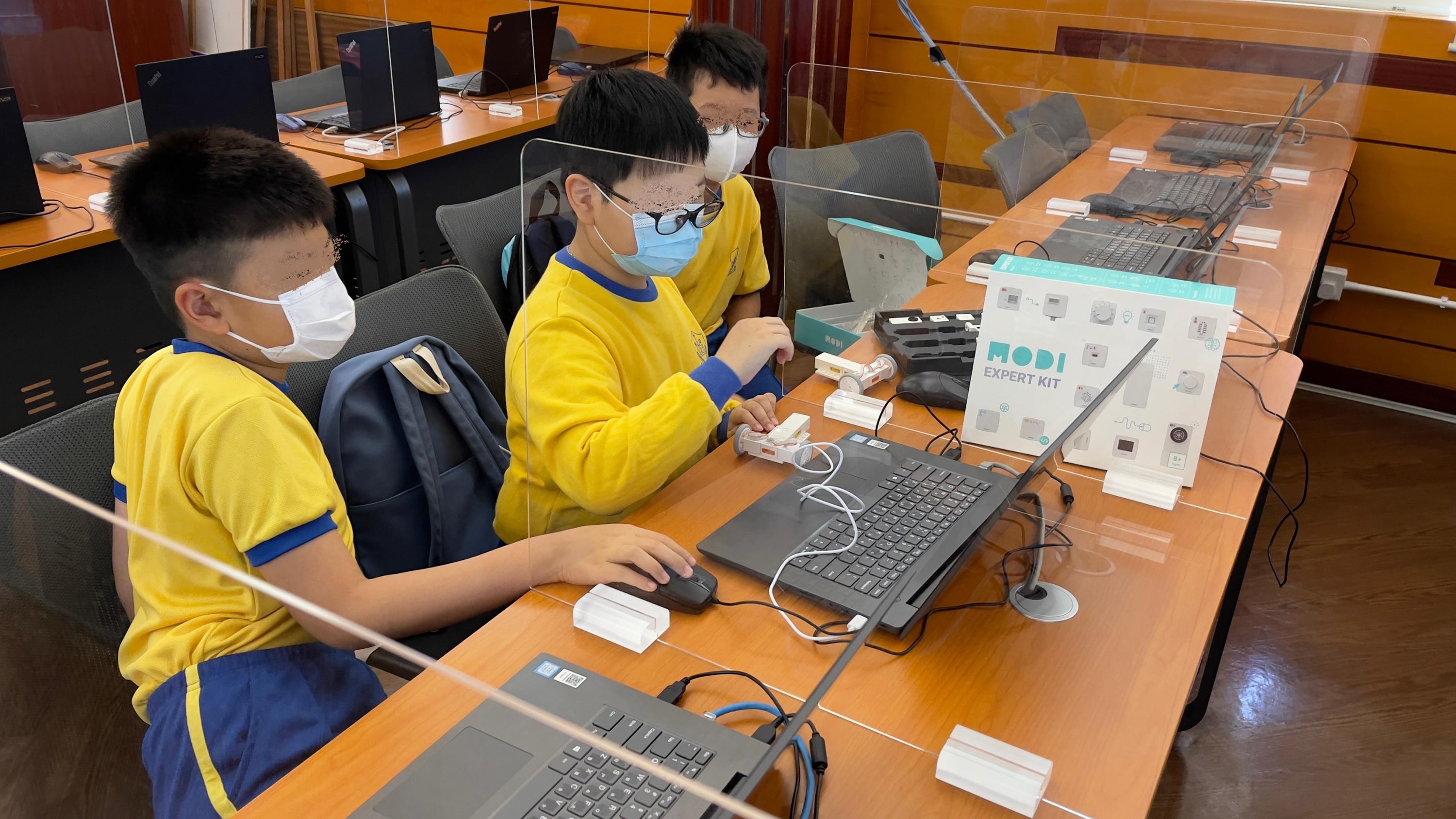
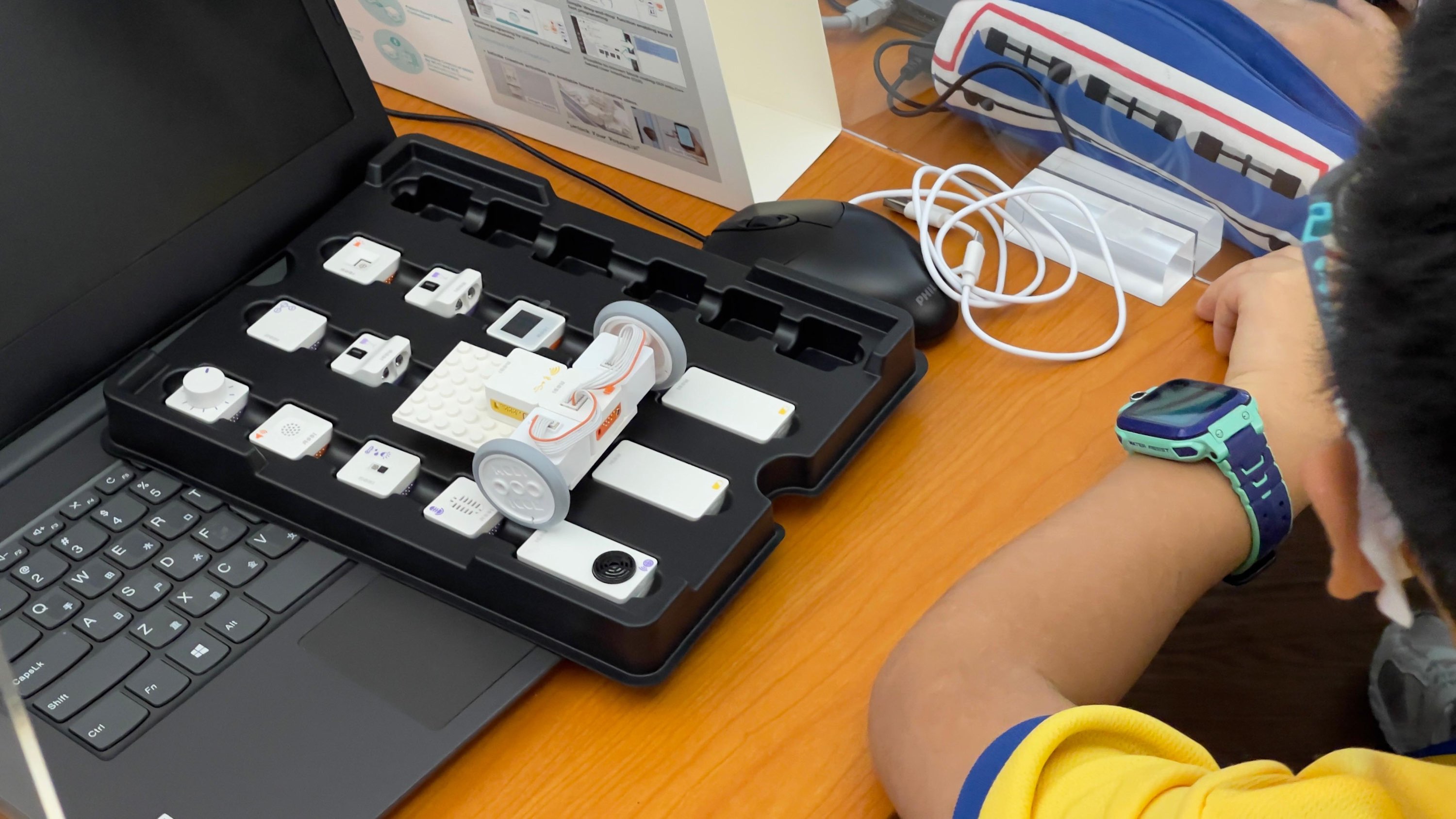
MODI is an innovative tool designed specifically for education. Its distinguishing features include modular design and plug-and-play convenience. Each module has built-in specific functions such as ultrasonic sensors, light sensors, infrared sensors, LED modules and motor modules, connected via magnetic coupling. Students can easily assemble modules and immediately test functions without complex wiring or hardware setup. This design allows students to quickly understand module functions and combinations, and if results don't meet expectations, they can swiftly swap modules for testing, greatly improving learning efficiency and creative space.
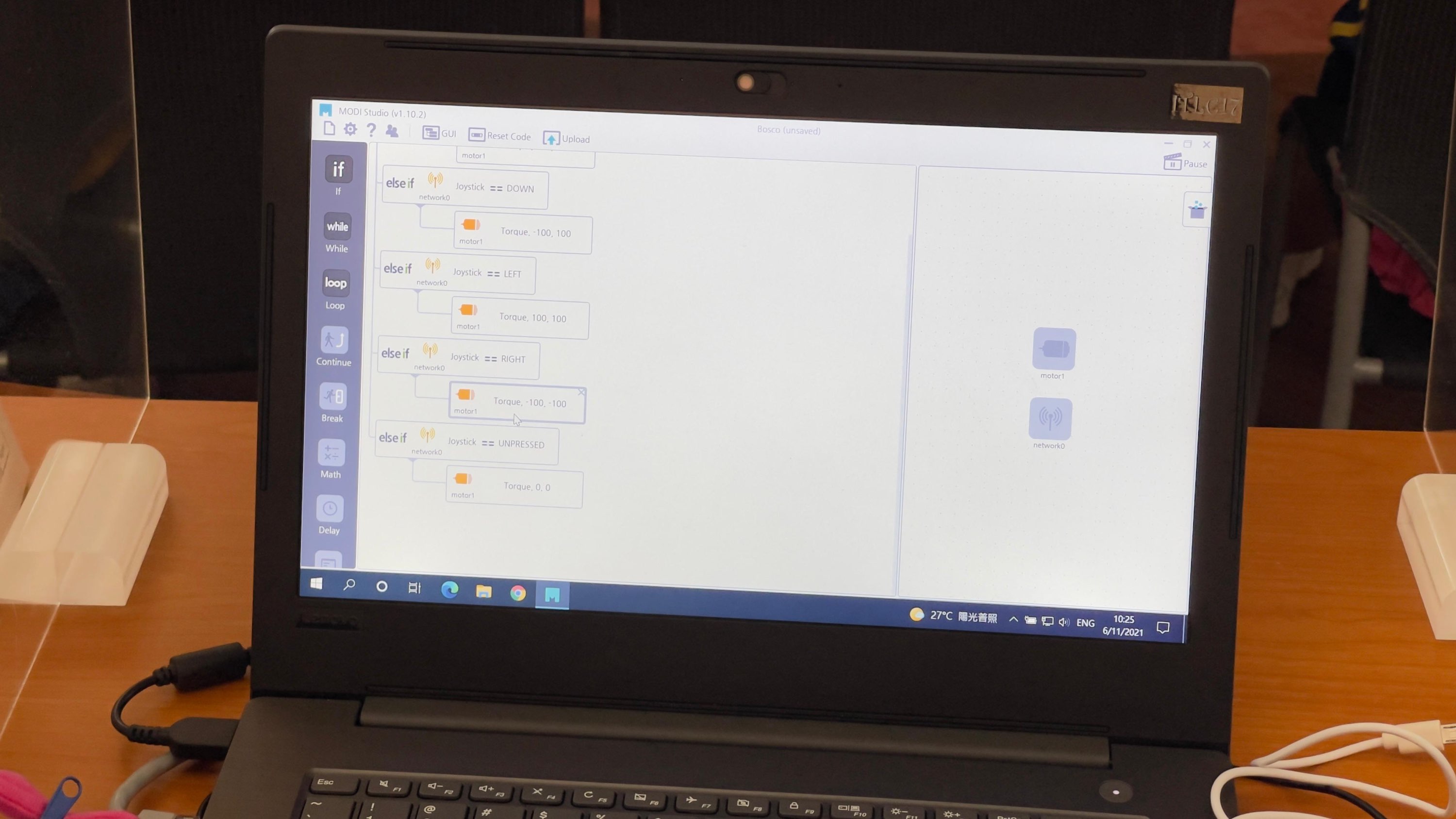
Additionally, MODI supports a code-free graphical interface — MODI Studio. Students can design logic programmes in this interface and wirelessly synchronise them to the module system in real-time for on-site testing and instant adjustments. This immediate feedback mechanism helps students intuitively understand IoT operating principles while focusing on creativity and functional design.
Workshop Applications and Practice
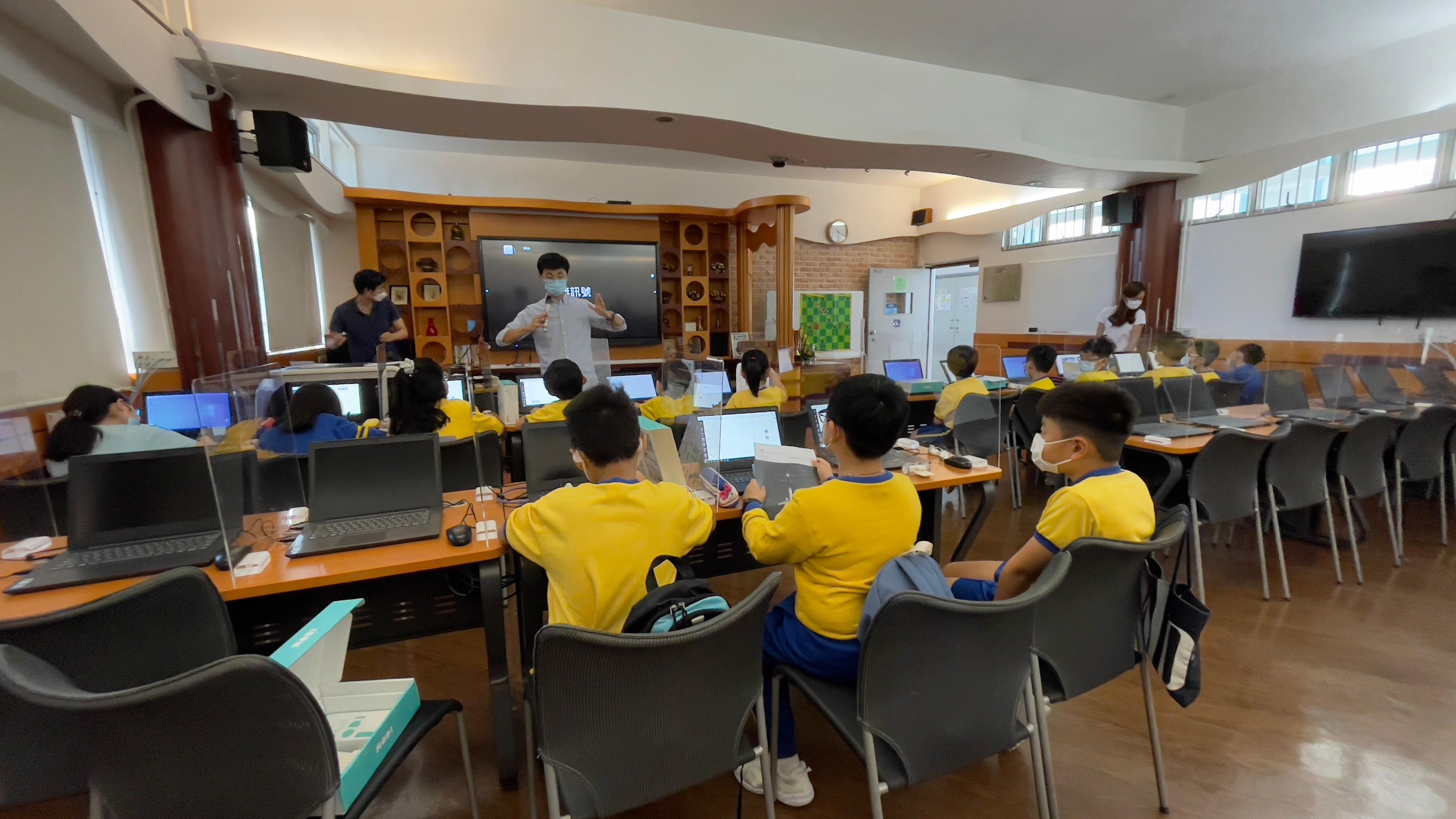
Our workshop fully leveraged MODI's advantages, shortening the learning curve and lowering technical barriers so students could quickly grasp electronics and IoT fundamentals while devoting more time to project development. In class, students designed and implemented a series of creative projects using MODI, such as:
- Remote-Controlled Car Design — Students used motor and wireless modules to build a car with controllable direction and speed.
- Smart Sensor Systems — Students designed condition-based smart sensors, such as light-sensing automatic lighting control and infrared security alarm systems.
Through these projects, students not only mastered the basic operating logic of IoT but also learned how to solve real-life problems through design thinking, such as improving daily convenience.
Students designed simulated smart campus and smart home systems through hands-on practice, applying Design Thinking methodology — from observing needs and defining problems, to analysing challenges in daily life or campus, devising solutions, and combining MODI module technology to rapidly prototype and test.
In practice, students learned to write simple logic programmes to control modules and achieve automation, such as light-sensing brightness adjustment systems or environmental monitoring systems. They also shared ideas and solutions in team collaboration, enhancing both practical skills and communication abilities.
The course also incorporated cross-disciplinary learning values including scientific exploration, mathematical problem-solving, and artistic creation, allowing students to learn in an engaging environment while integrating knowledge across different subjects.