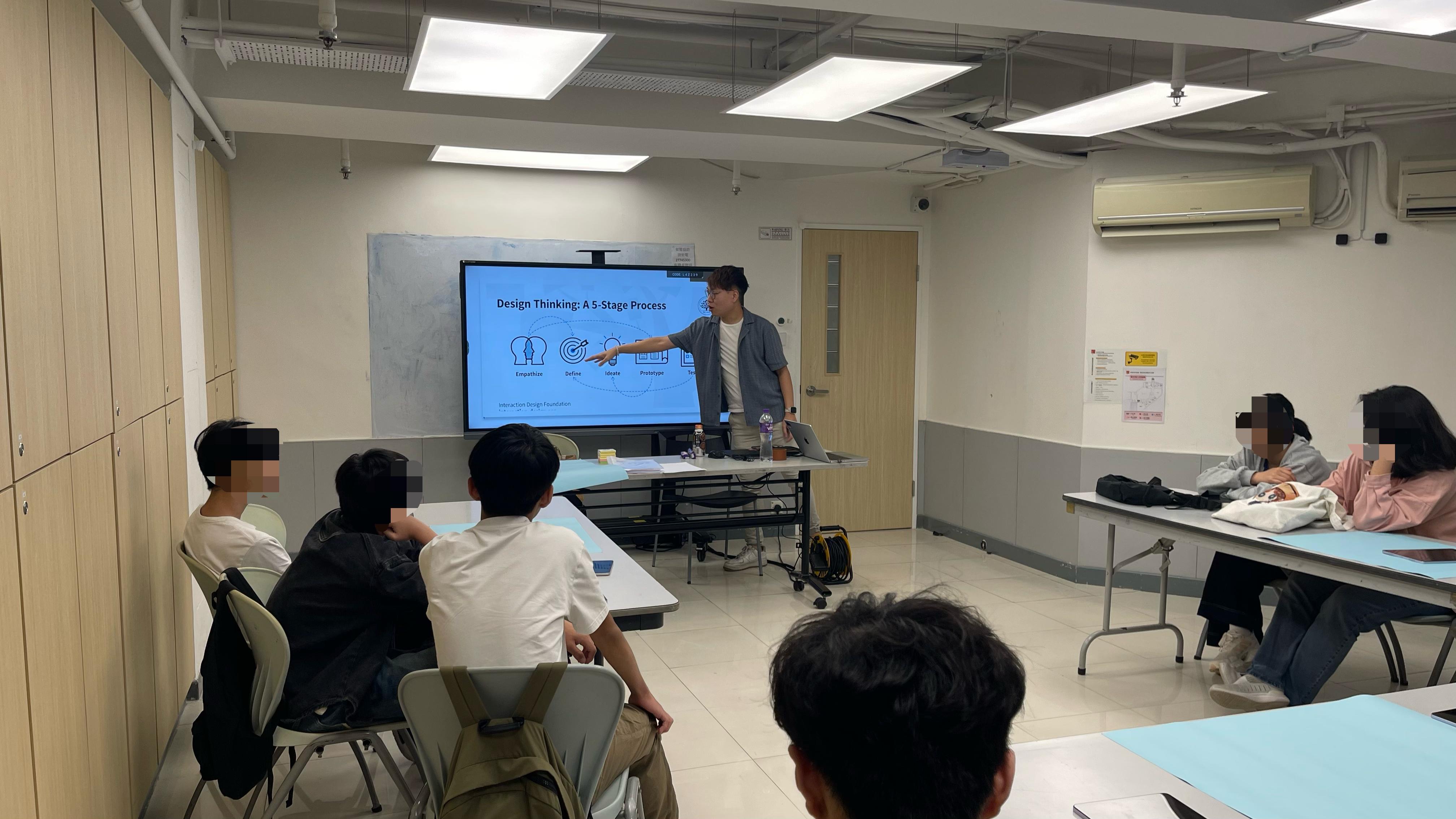
Design Thinking Workshop: Exploring Elderly Needs, Inspiring Innovative Solutions
The Hong Kong Youth Association held a four-hour "Design Thinking and Innovation Workshop" at the Jockey Club Hong Ham Youth Space, aimed at allowing participants to deeply explore the needs and pain points of the elderly through the Design Thinking method, and propose feasible solutions. This workshop not only taught a structured problem-solving framework but also stimulated participants' creativity and empathy through practical activities. Here are the highlights of the workshop, presented in detail by stages!
Stage 1: Understanding Design Thinking 1.0
The Core of Design Thinking 1.0
The workshop began with Design Thinking 1.0, introducing the five core stages of design thinking:
- Empathize: Deeply understand the needs of the target group (the elderly).
- Define: Clearly define the core problem.
- Ideate: Brainstorm to propose solutions.
- Prototype: Create initial models.
- Test: Gather feedback and improve solutions.
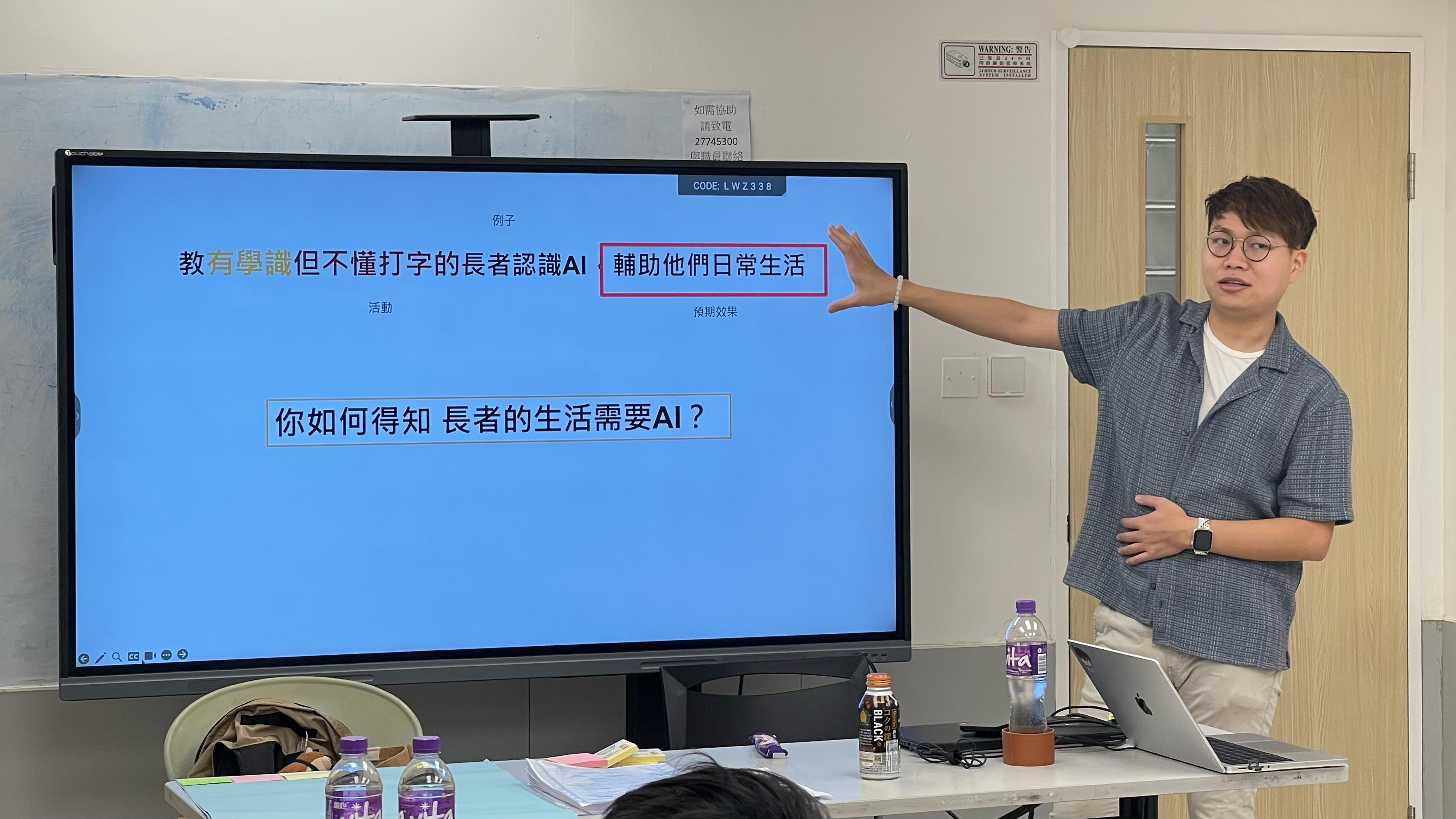
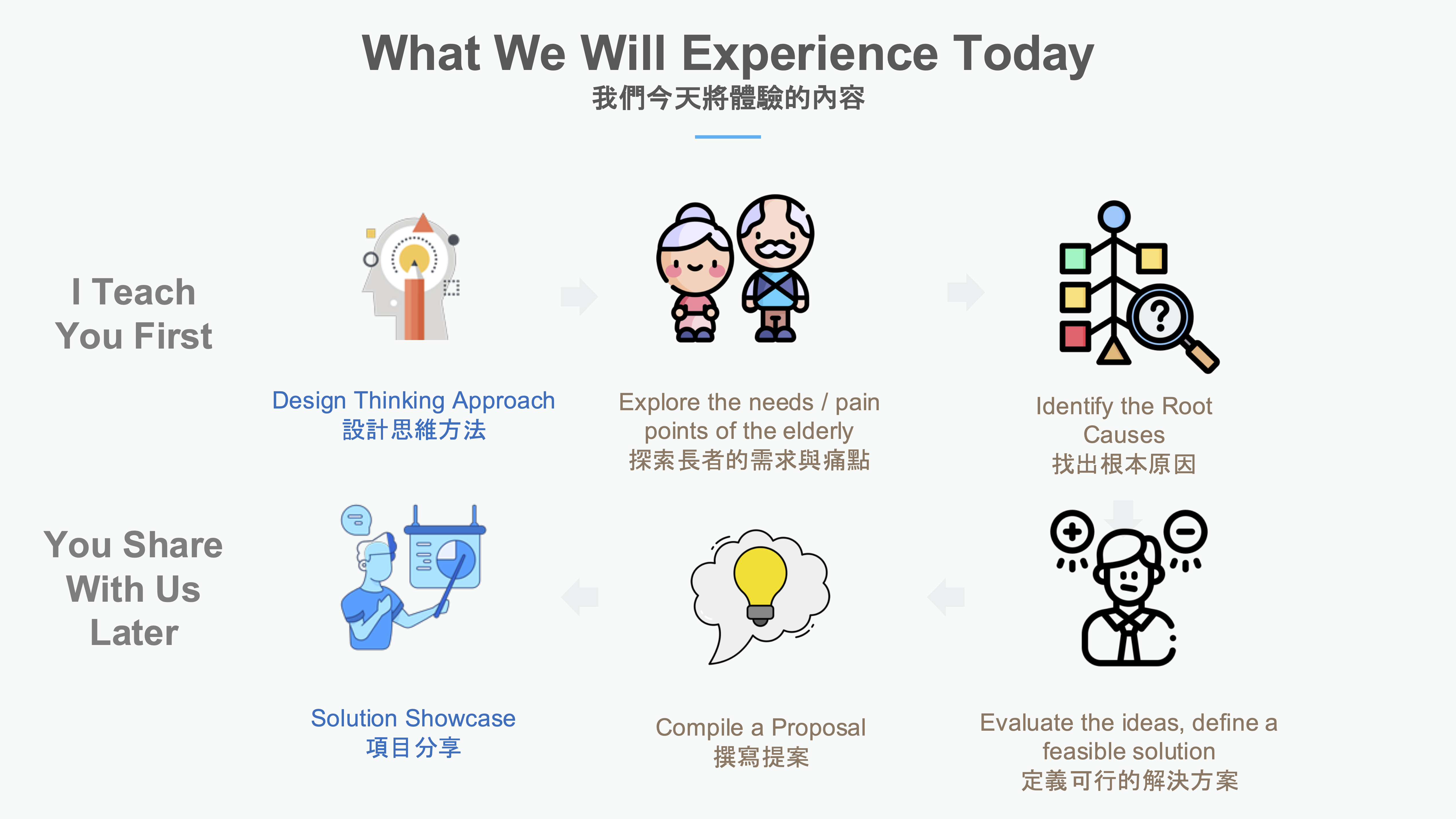
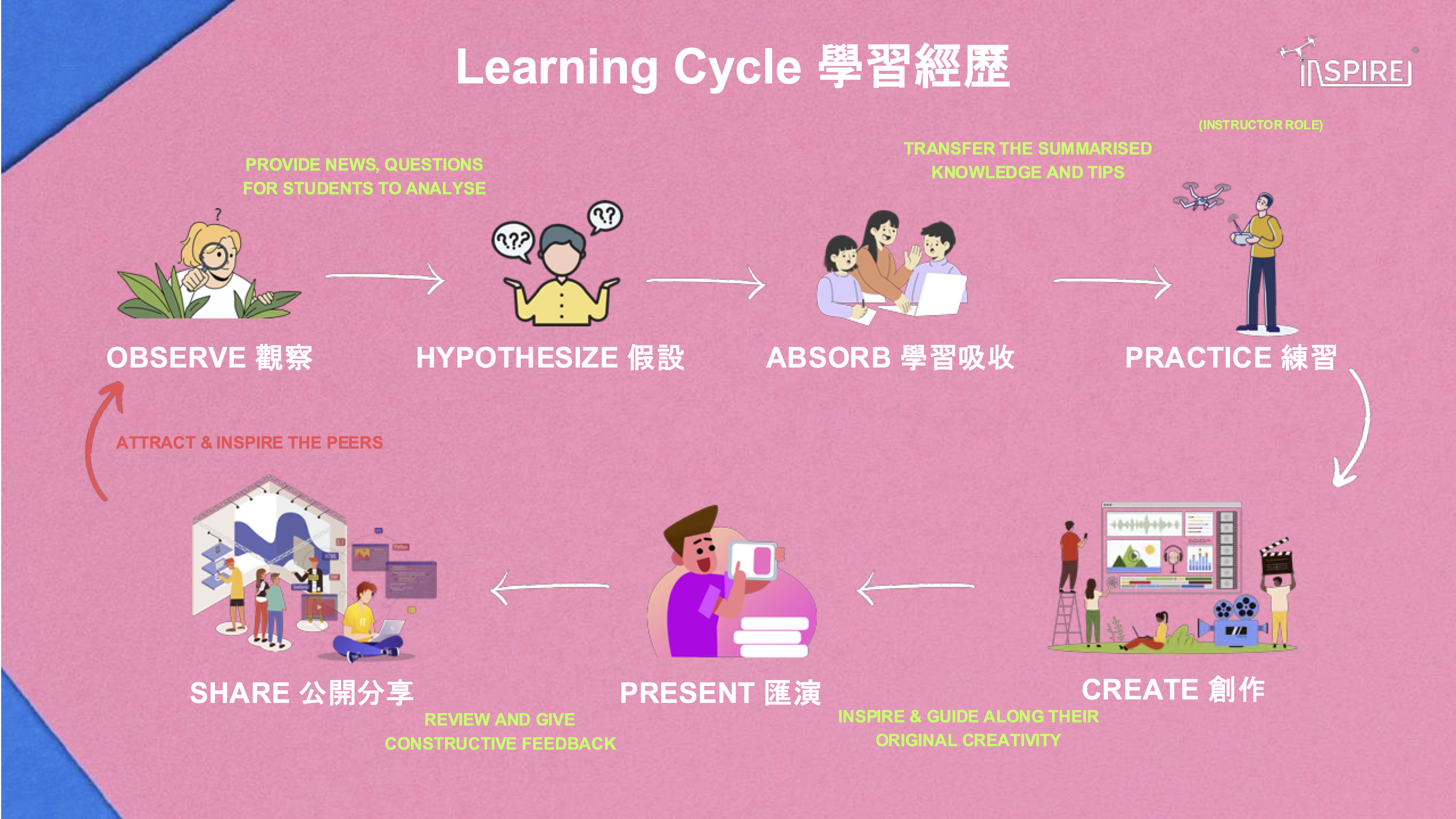
Participants recorded their preliminary observations on the needs of the elderly and organized the problem definitions to help them focus on specific challenges.
Root Cause Analysis: Uncovering the Essence of the Problem
In this stage, participants learned how to conduct root cause analysis to ensure that the solutions address the root causes of the problems. The specific steps include:
- Classifying assumptions: Categorize the assumptions about the needs of the elderly into two categories: changeable or controllable factors (such as activity design, resource allocation, or communication methods) and unchangeable or uncontrollable factors (such as age-related health issues or economic conditions).
- Analyzing root causes: Use the "Five Whys" tool to delve deeper into the true reasons behind each issue. For example, regarding "the elderly's lack of social activities," the root cause may be identified as "lack of convenient transportation."
- Assessing root causes: Determine which root causes have the most significant impact and prioritize addressing them.
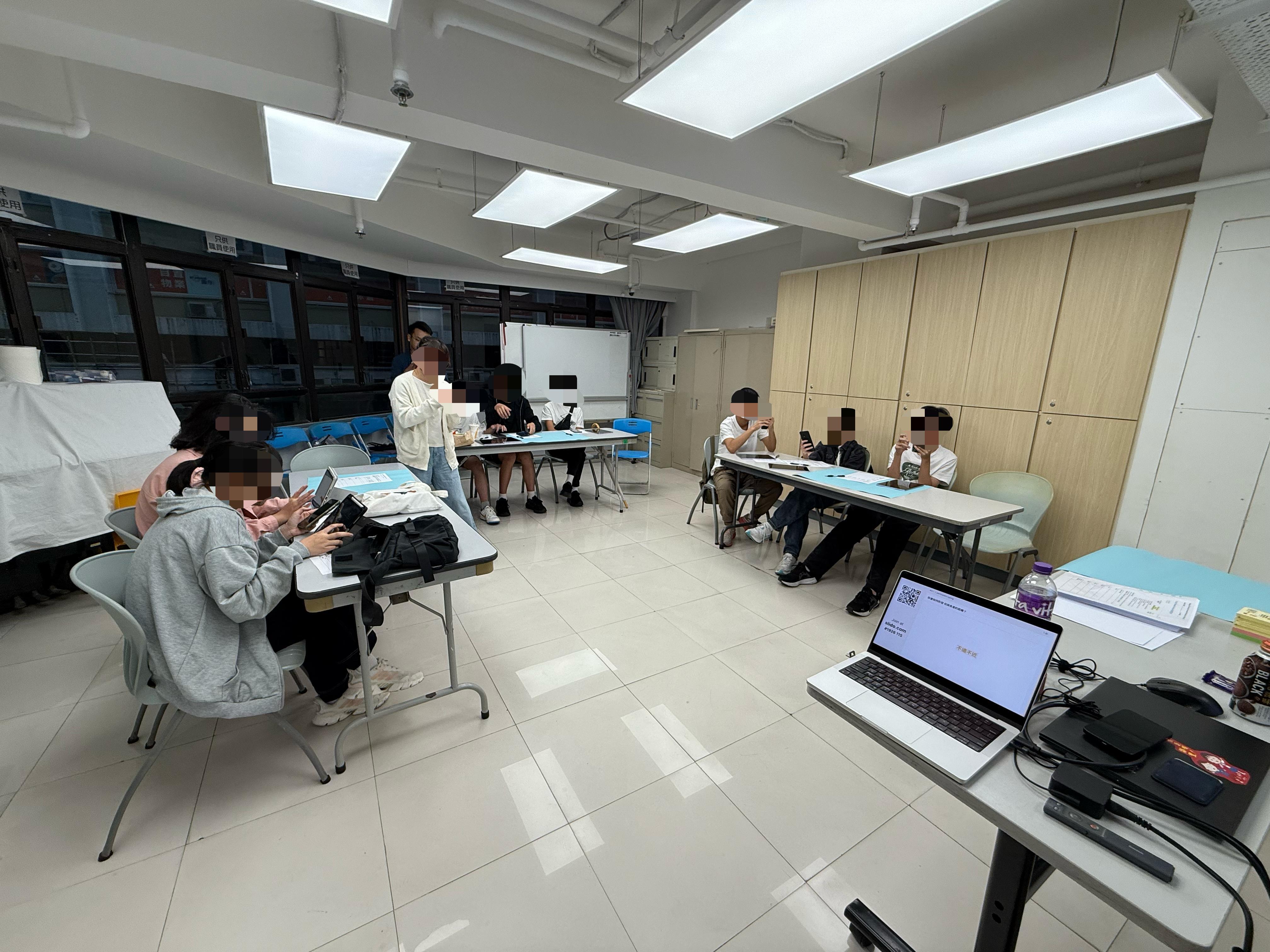
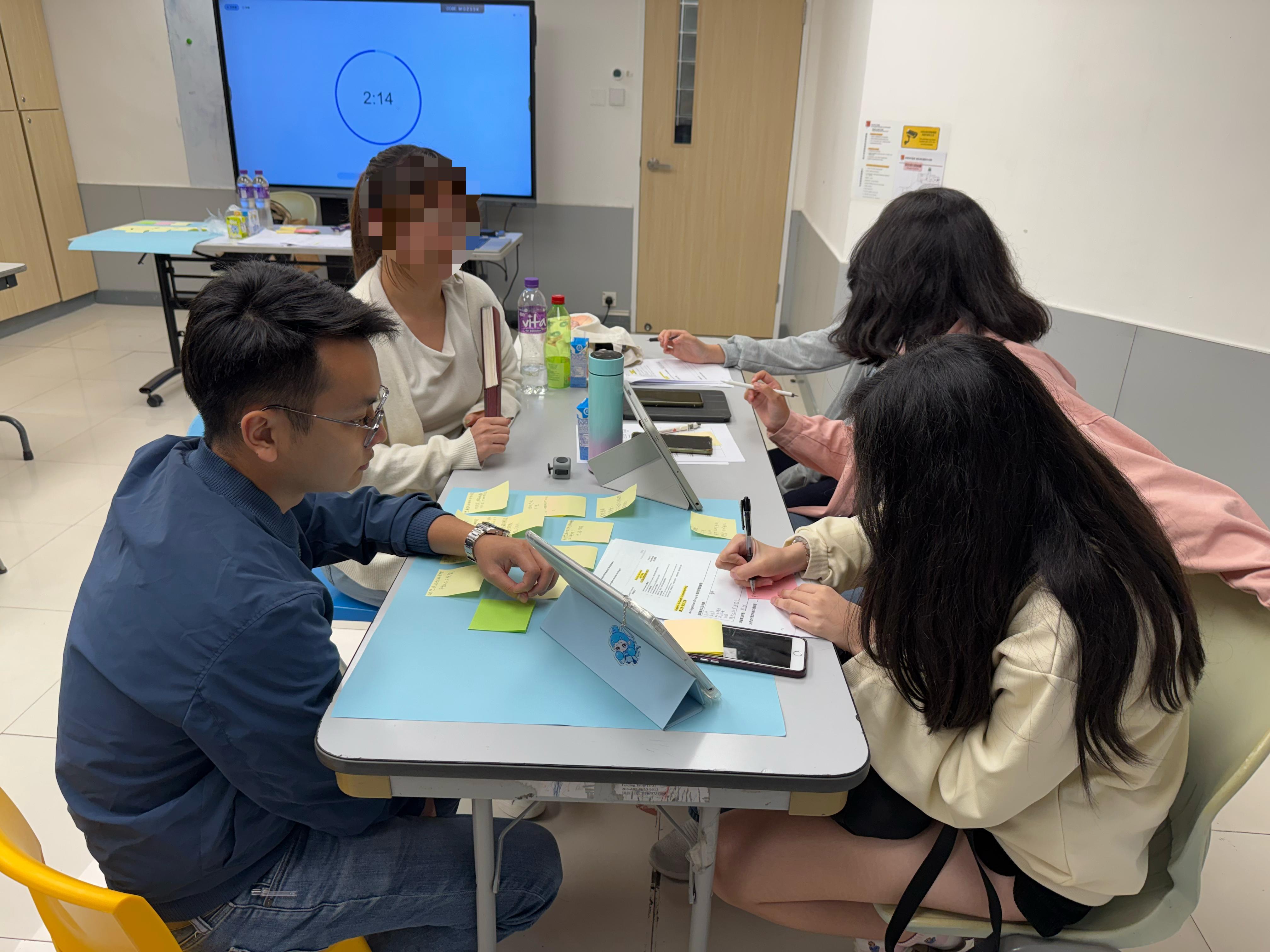
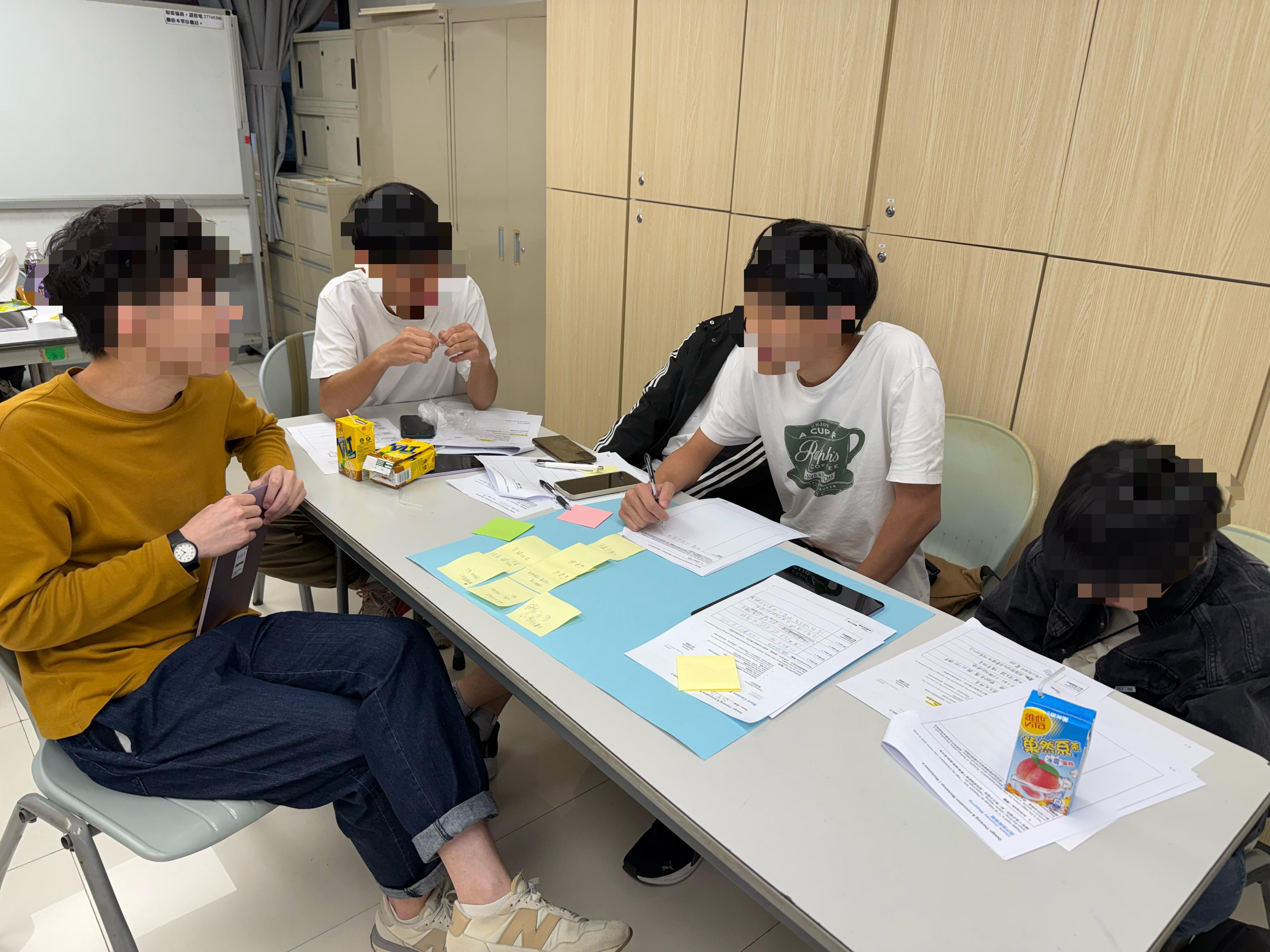
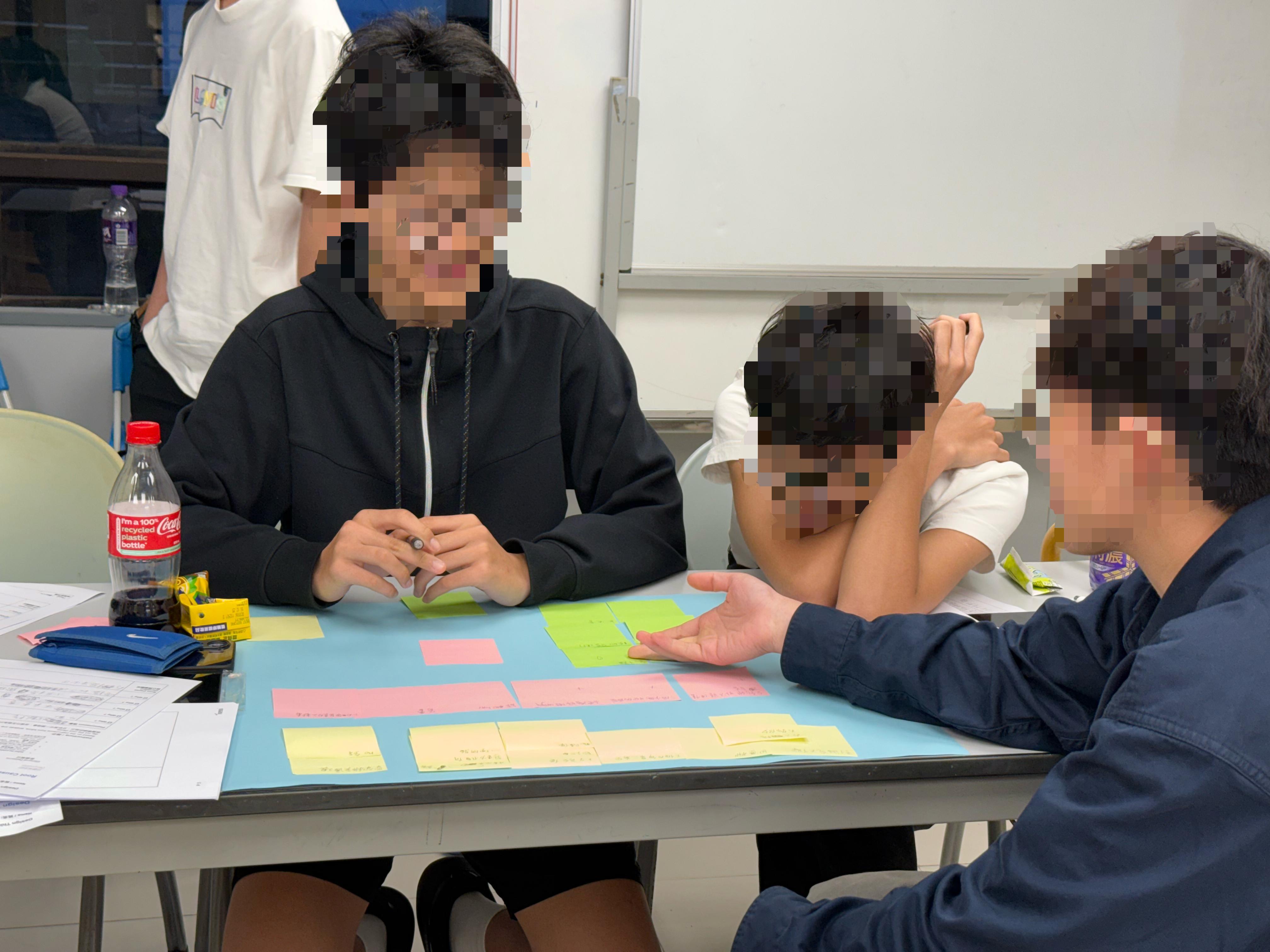
Stage 2: Exploring Design Thinking 2.0
Design Thinking 2.0: Diving Deeper into Needs
Entering Design Thinking 2.0, the workshop focused on how to understand the needs of the elderly in greater depth. The instructor introduced several key methods:
- Interviews and Observations: Engage in conversations with the elderly, observe their daily lives, validate root causes, and discover new insights.
- Empathy Mapping: Illustrate the feelings, thoughts, behaviors, and pain points of the elderly.
- Data Analysis: Utilize existing data (such as government reports, surveys, or behavioral statistics) to understand the elderly's behavioral pain points and preferences.
Participants documented their findings from the "Explore and Discover" stage, listing data sources and the needs of the elderly that they revealed.
User Journey Map: Experiencing Students' Morning Journey
To allow participants to personally experience design thinking, the workshop arranged a User Journey Map Exercise. Participants mapped out their own journey arriving at the workshop that morning, helping them understand the concept of a "user journey map" and apply it to the context of the elderly.
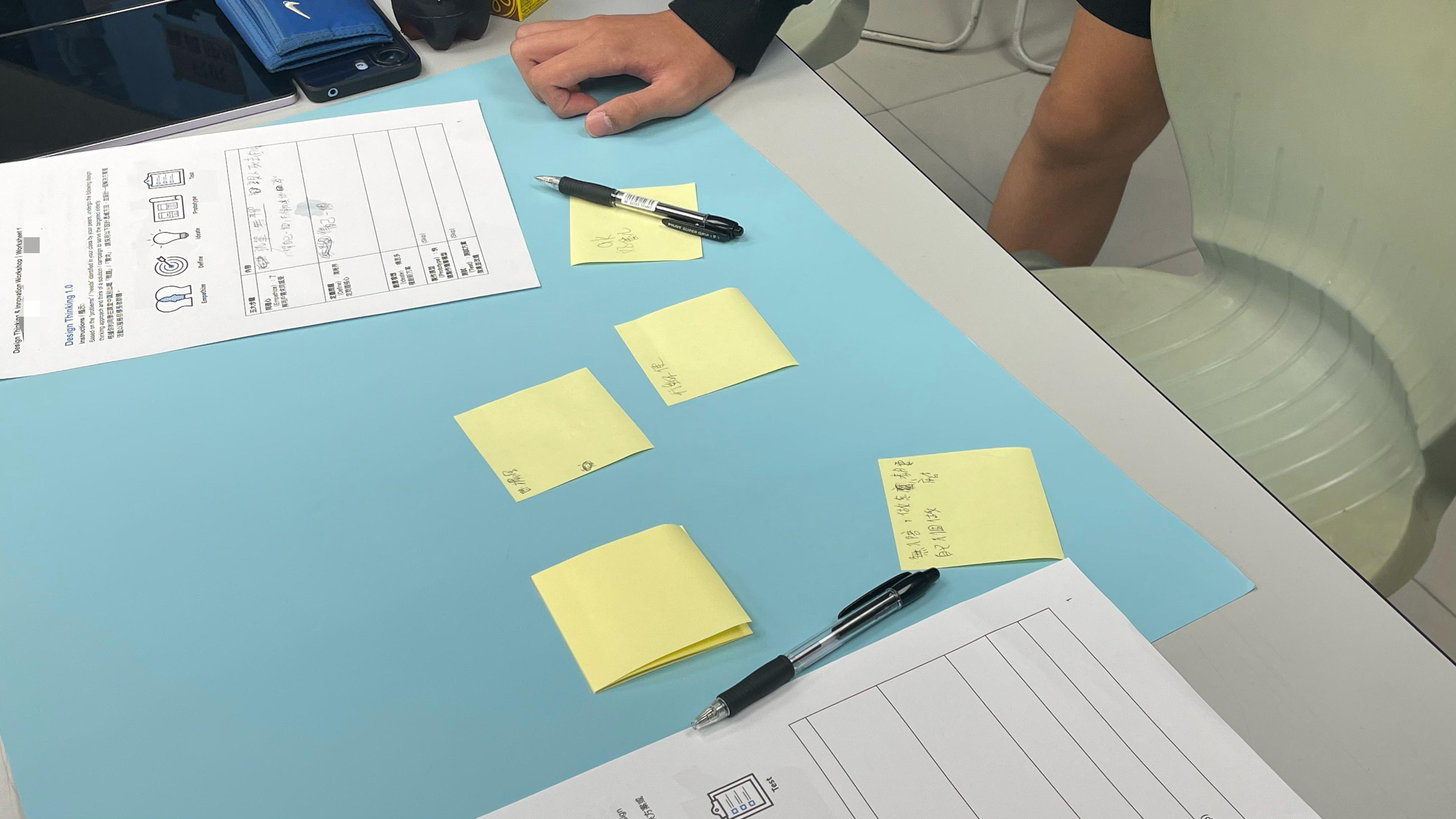
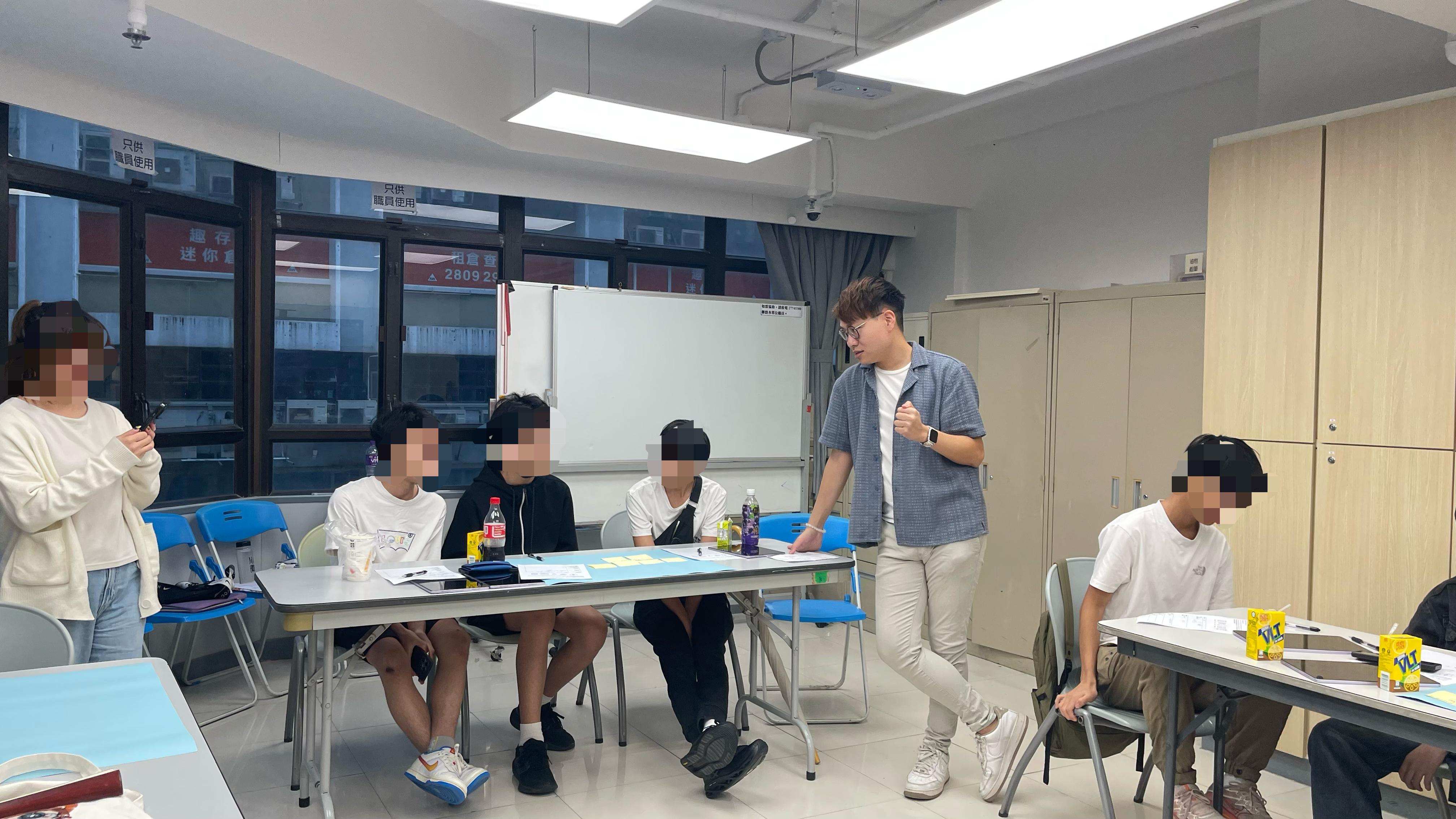
After completing the journey maps, participants engaged in sharing time in groups to showcase their discoveries and discuss how to apply these insights to solutions for the needs of the elderly.
Stage 3: Co-Creation and Ideation
Co-Creation and Creative Ideation
In this stage, participants entered the co-creation and ideation session, brainstorming in groups to propose innovative solutions for the needs of the elderly. The instructor encouraged participants to "think outside the box" and to materialize their ideas through the following steps:
- Divergent Thinking: List as many solutions as possible without restrictions.
- Convergent Thinking: Filter the most promising ideas, considering feasibility and impact.
- Prototyping: Create preliminary models of the solutions using simple materials (such as paper and sticky notes).
For example, one group of participants might propose the concept of a "mobile elderly activity station" to address the issue of elderly individuals finding it difficult to reach activity venues, and create a simple model to demonstrate its functions.
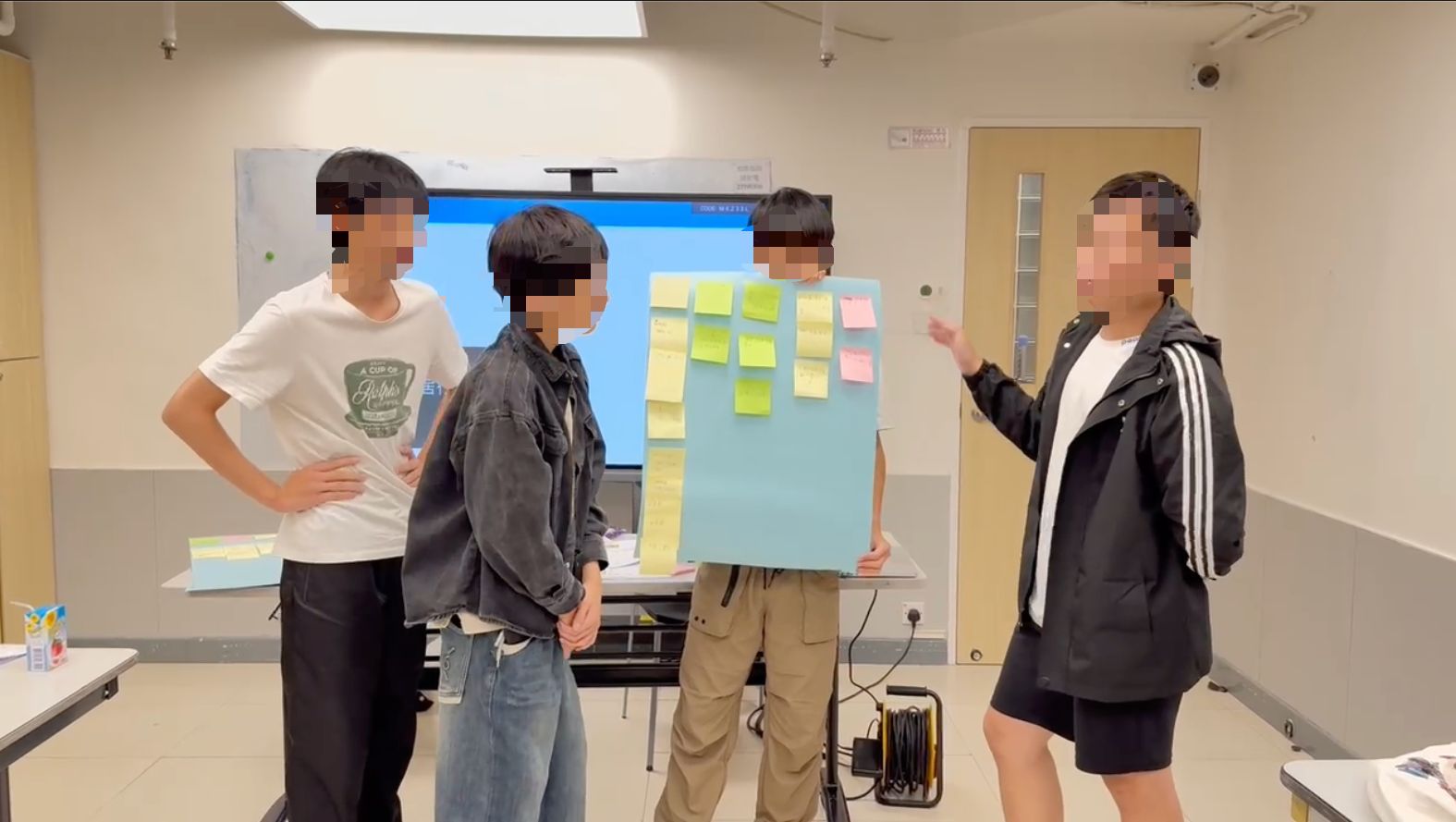
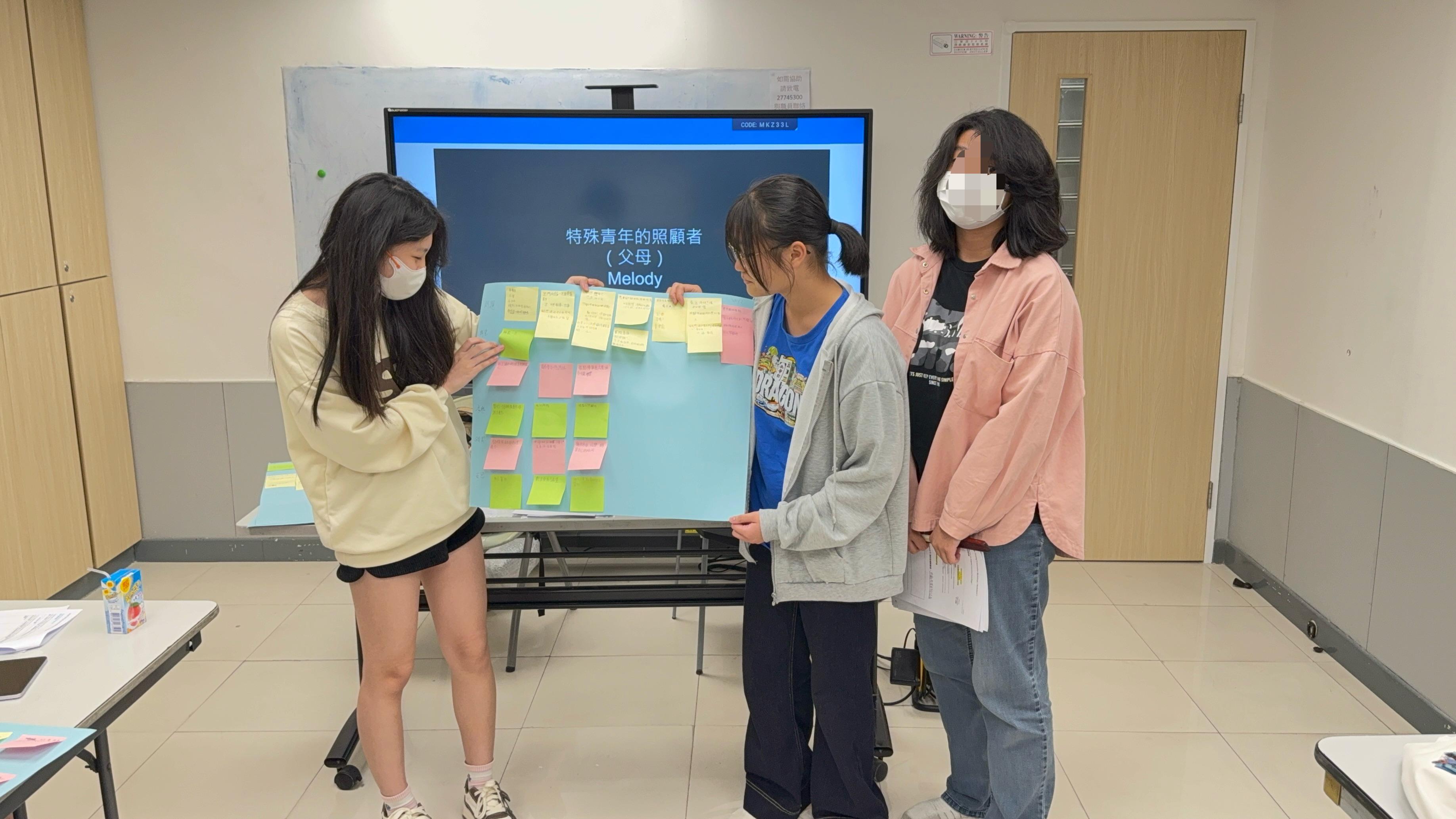
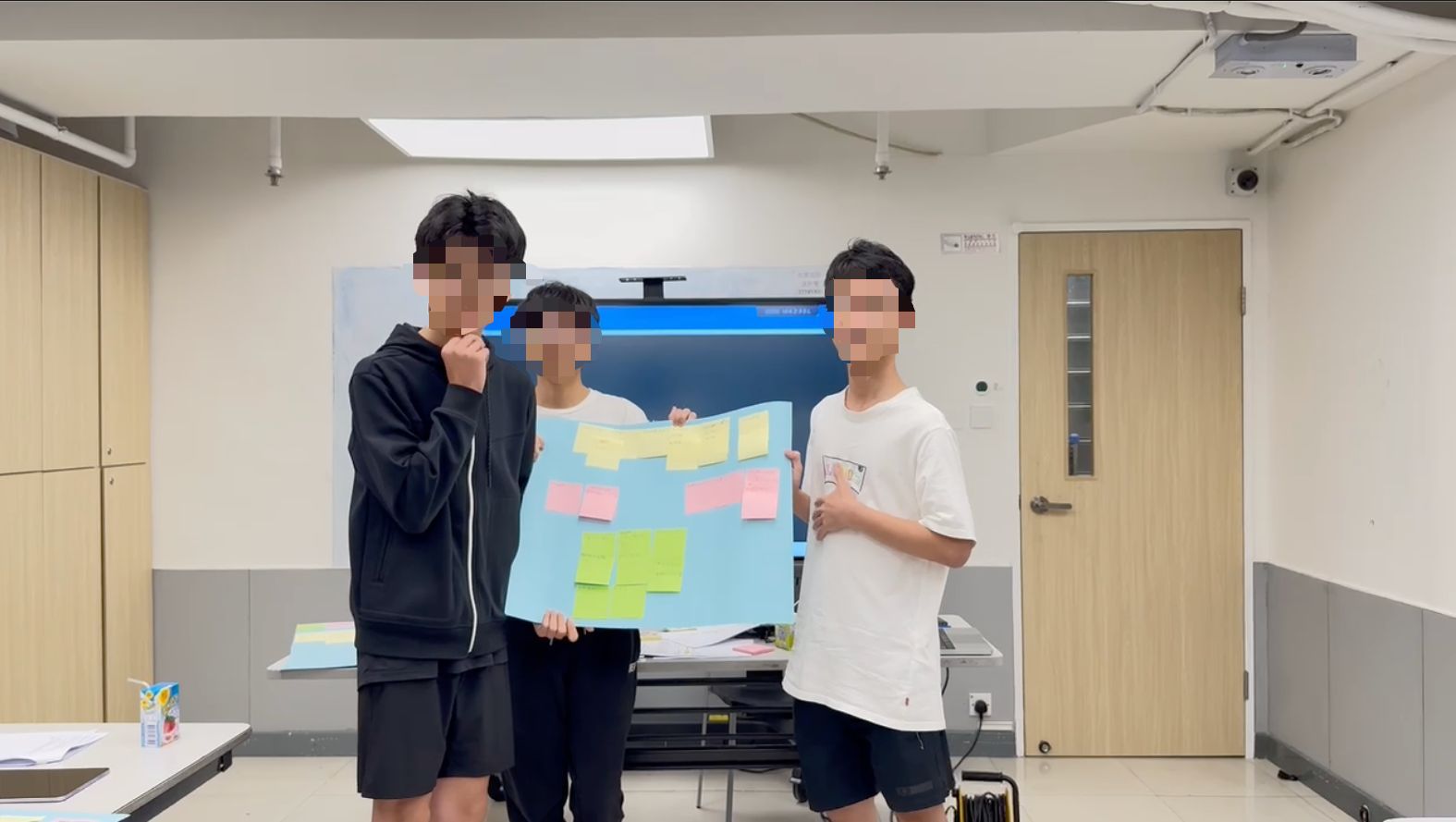
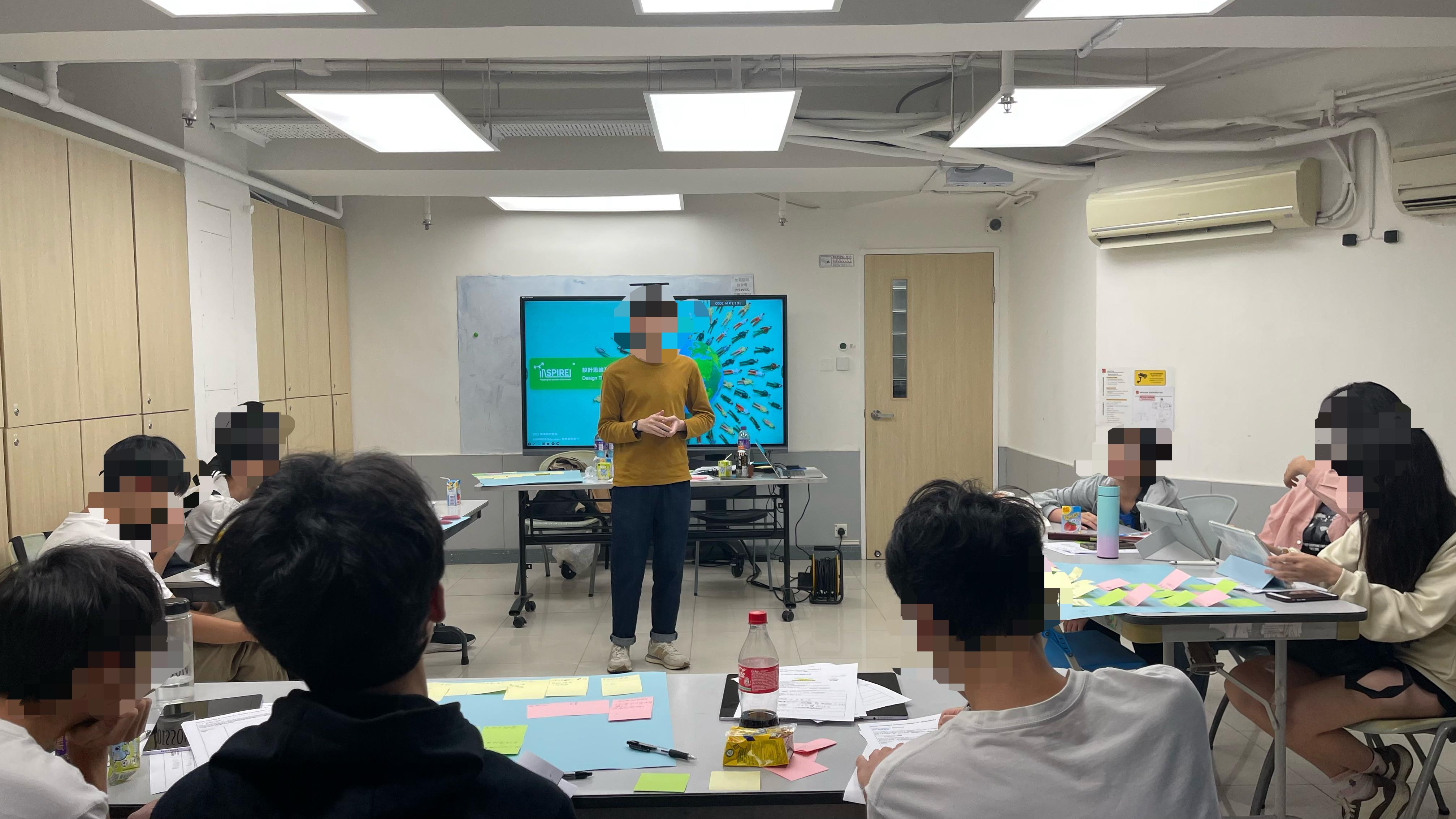
Group Task: Interviews and Activity Design
Participants were given a group task: interview teachers or social workers, complete a user journey map for the elderly, and design an activity or proposal based on the results of the interviews.
The Benefits and Insights of Design Thinking
This workshop showcased the powerful potential of design thinking as a problem-solving model. Its benefits include:
- Human-Centered: Starting from user needs to ensure that solutions are practical.
- Fostering Innovation: Stimulating creative solutions through co-creation and iteration.
- Cross-Disciplinary Application: Design thinking can be applied across multiple fields such as education, healthcare, and business.
After completing the workshop, participants not only mastered a structured approach to innovation but also developed a deeper empathy for the needs of the elderly.
Conclusion and Participation
This four-hour design thinking workshop allowed participants to practice while learning and grow through practice. From understanding the basic processes of Design Thinking 1.0, to deeply exploring the user needs in 2.0, and finally co-creating, verifying, and showcasing solutions, each stage was filled with challenges and inspirations. The Hong Kong Youth Association ignited the passion of young people for social innovation through this event, planting seeds of hope for the improvement of the welfare of the elderly.
Interested in this workshop? Feel free to contact the INSPIRE® team for more details, join us on our journey of innovation, and together create a better future for society!