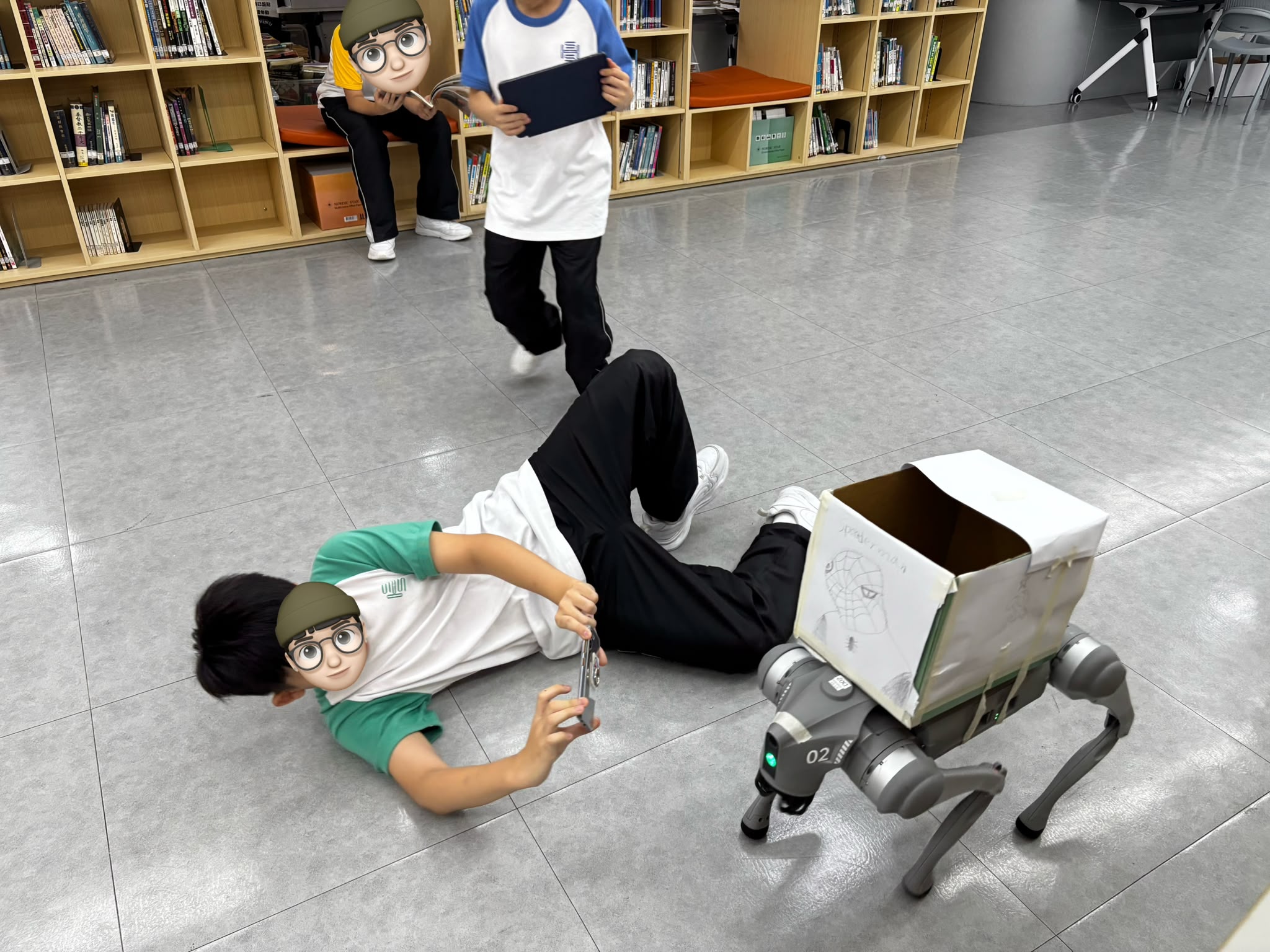
Robot Dogs Solving Campus Problems: UniTree@Innovation Design Thinking Lesson 3 at Assembly of God Hebron Secondary School
On Saturday morning at Assembly of God Hebron Secondary School, desks were covered with storyboard sketches while a quadruped robot dog paced the middle of the classroom. This was Lesson 3 of COXANA's UniTree@Innovation programme, the turning point where students move from learning how the robot works to using it to solve a problem.
In this lesson, students were no longer just learning to control the robot dog. They had to answer a harder question: "What problem on our own campus is worth solving with a robot?"
First half: finding real campus problems with the five steps of Design Thinking
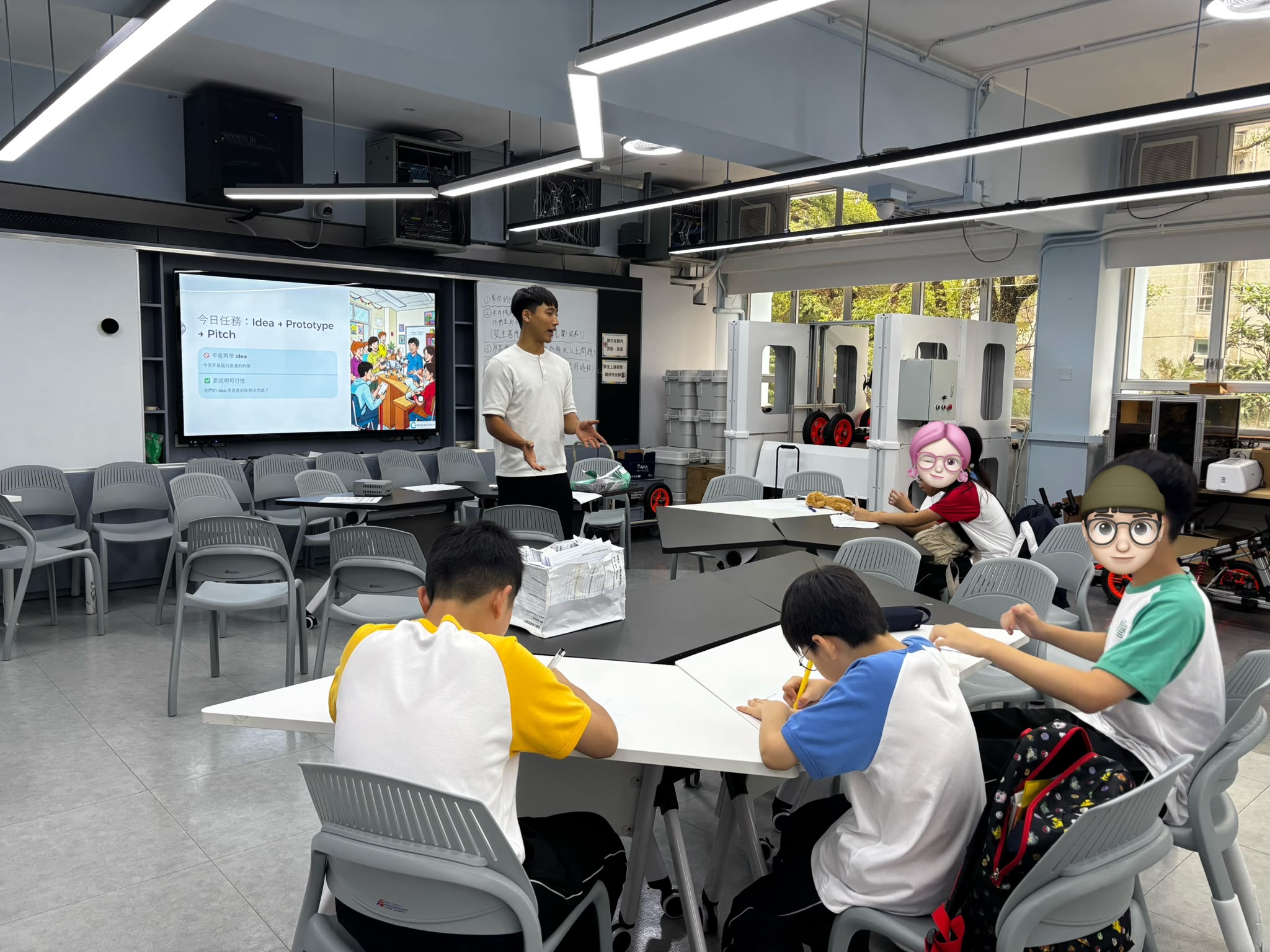
The Instructor asked each group to use their own school as the setting and work through the five steps of Design Thinking:
- Empathise: think about everyday scenes on campus. Who has the hardest time? What tasks take too much time and effort?
- Define: narrow those observations into one clear, specific problem
- Ideate: propose a workable solution within what the robot dog can actually do
- Prototype: plan how to programme the robot dog to carry out the solution
- Test: try it for real and see whether it works
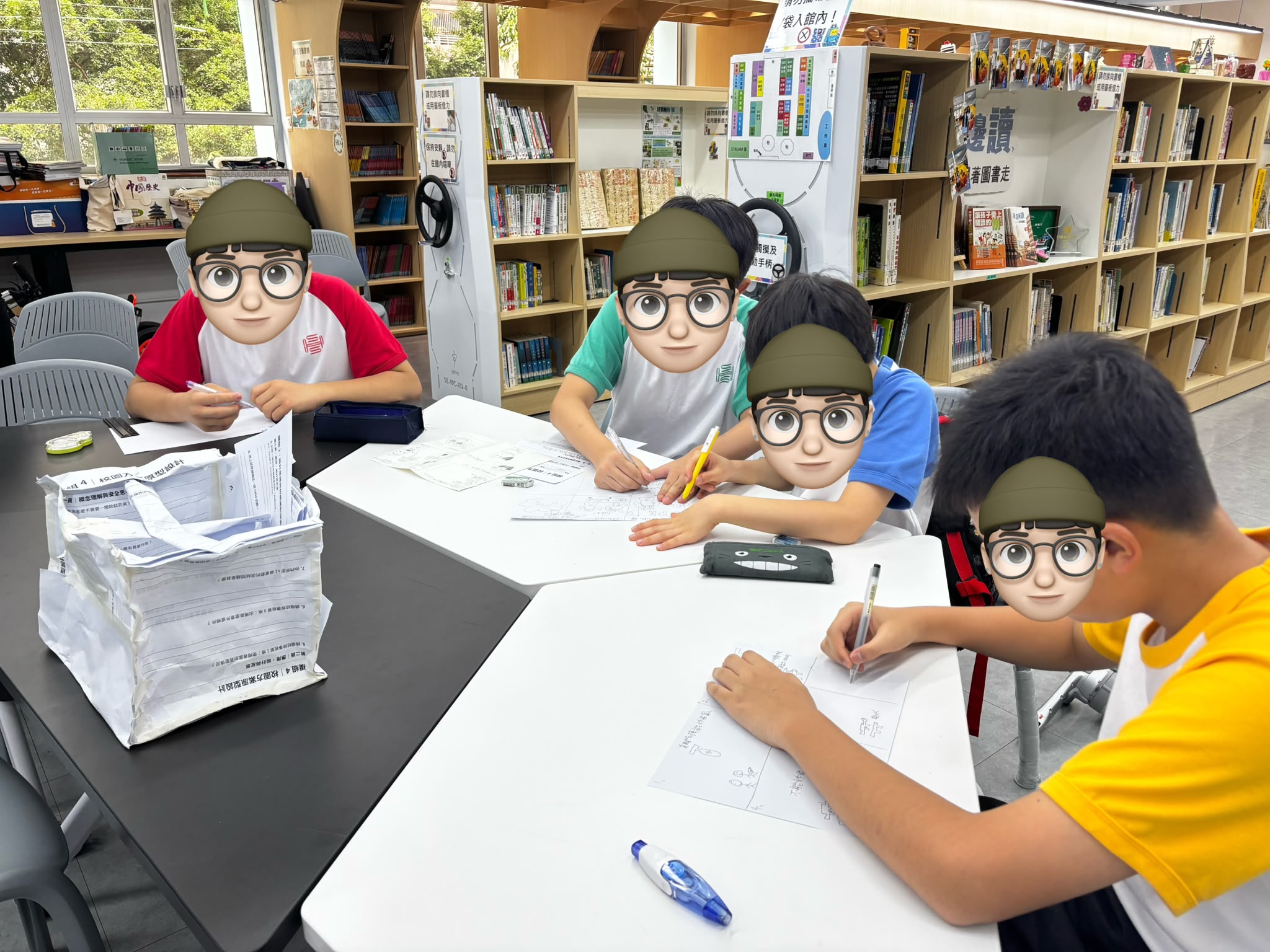
Each group drew a 6-page storyboard, sketching the journey from observation to idea to solution frame by frame. A storyboard forces students to turn a vague idea into a concrete story, with a user, a setting and a clear sequence of events.
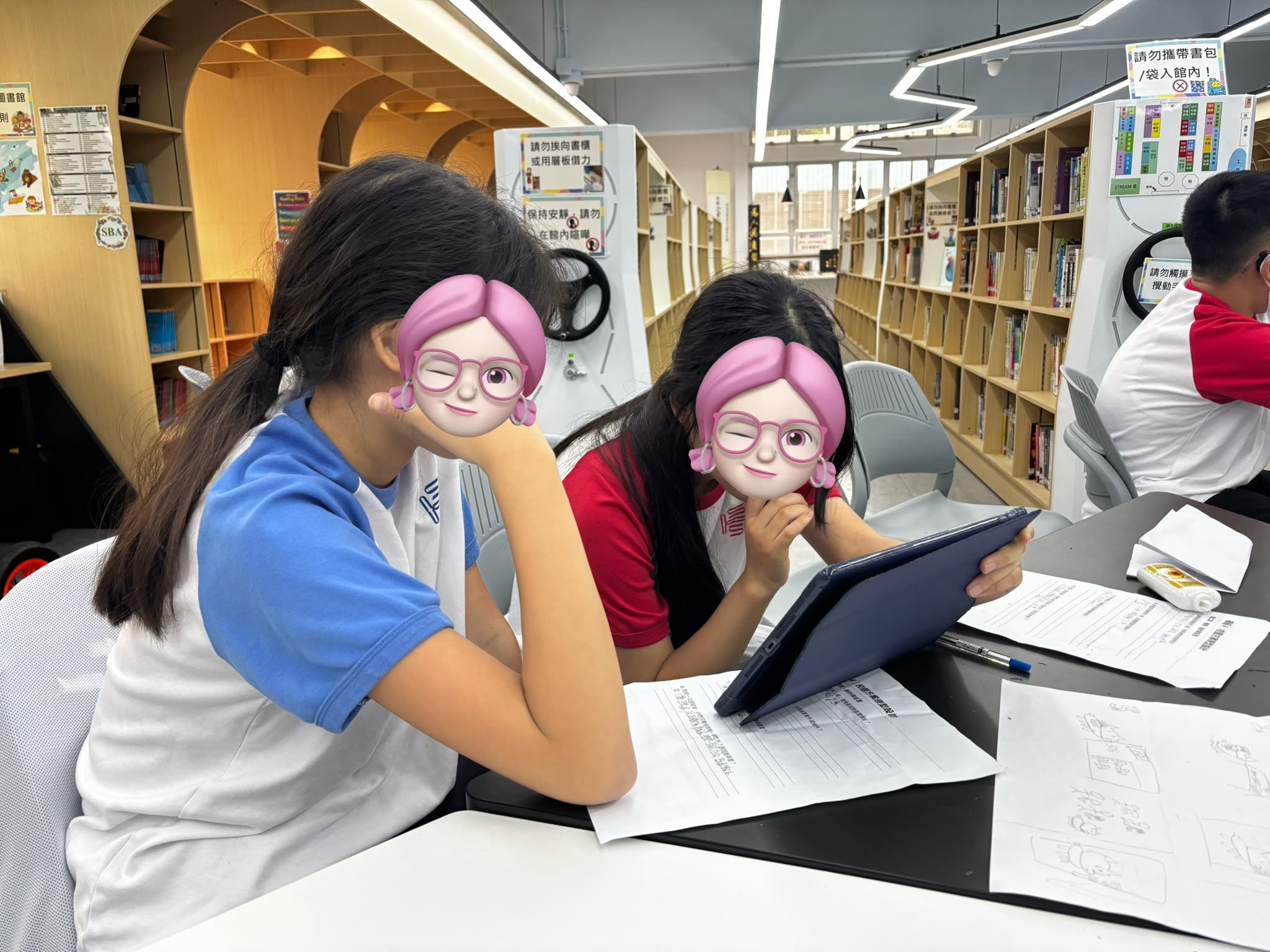
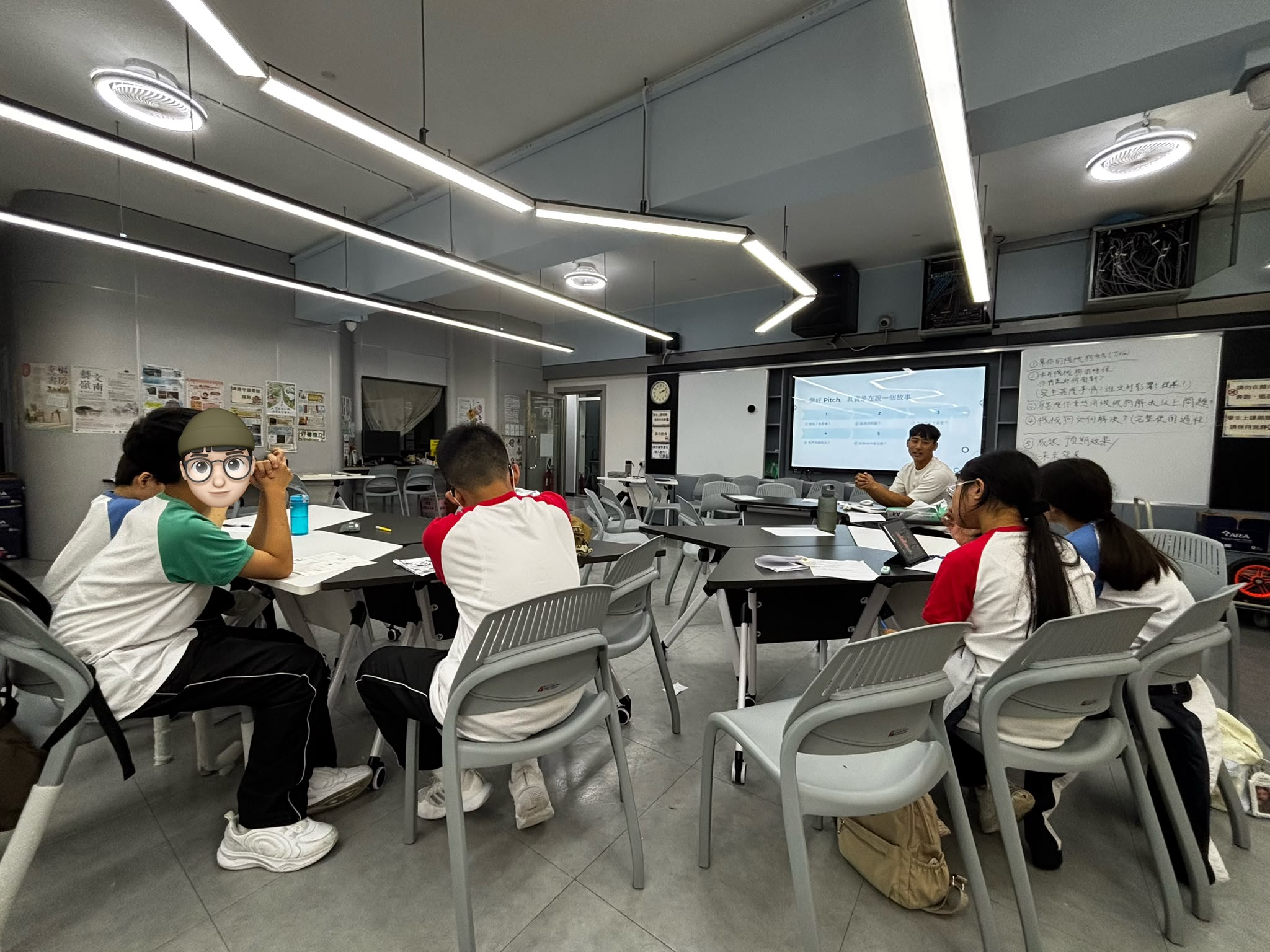
The discussions were intense. Every group had more than one idea, so members had to persuade each other, make trade-offs and agree on a single solution. Each group then worked with the Instructor on the key question: how do we programme the robot dog to actually deliver this?
Second half: handing the plan to the robot and learning from the tests
After the planning came the real test. Students took their tablets and code and had the robot dog run their solutions.
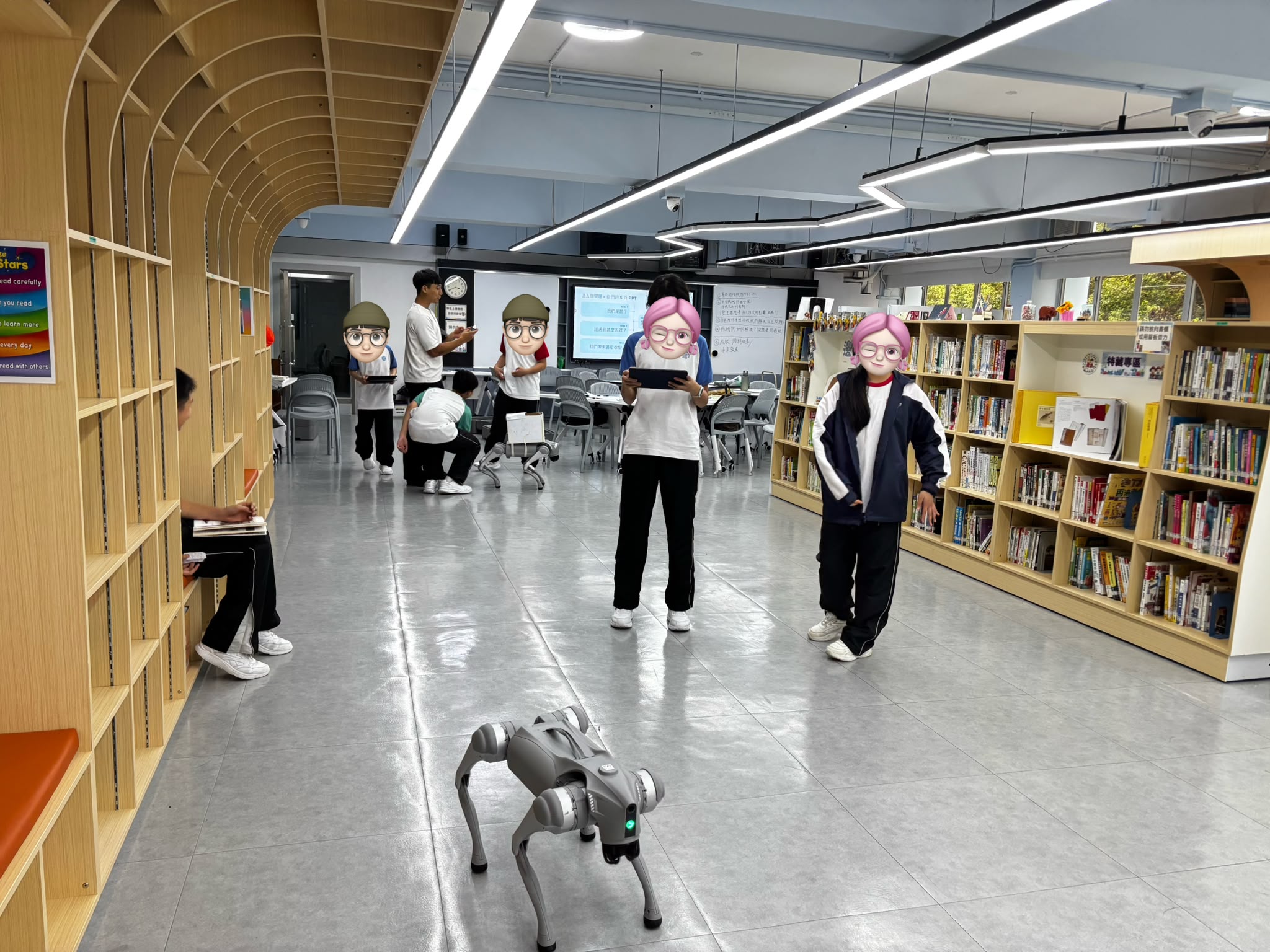
Problems appeared quickly. For example, the robot dog would gradually drift off course as it walked. Students had to go back to their code, adjust parameters such as step size and movement range, then test and fix again.
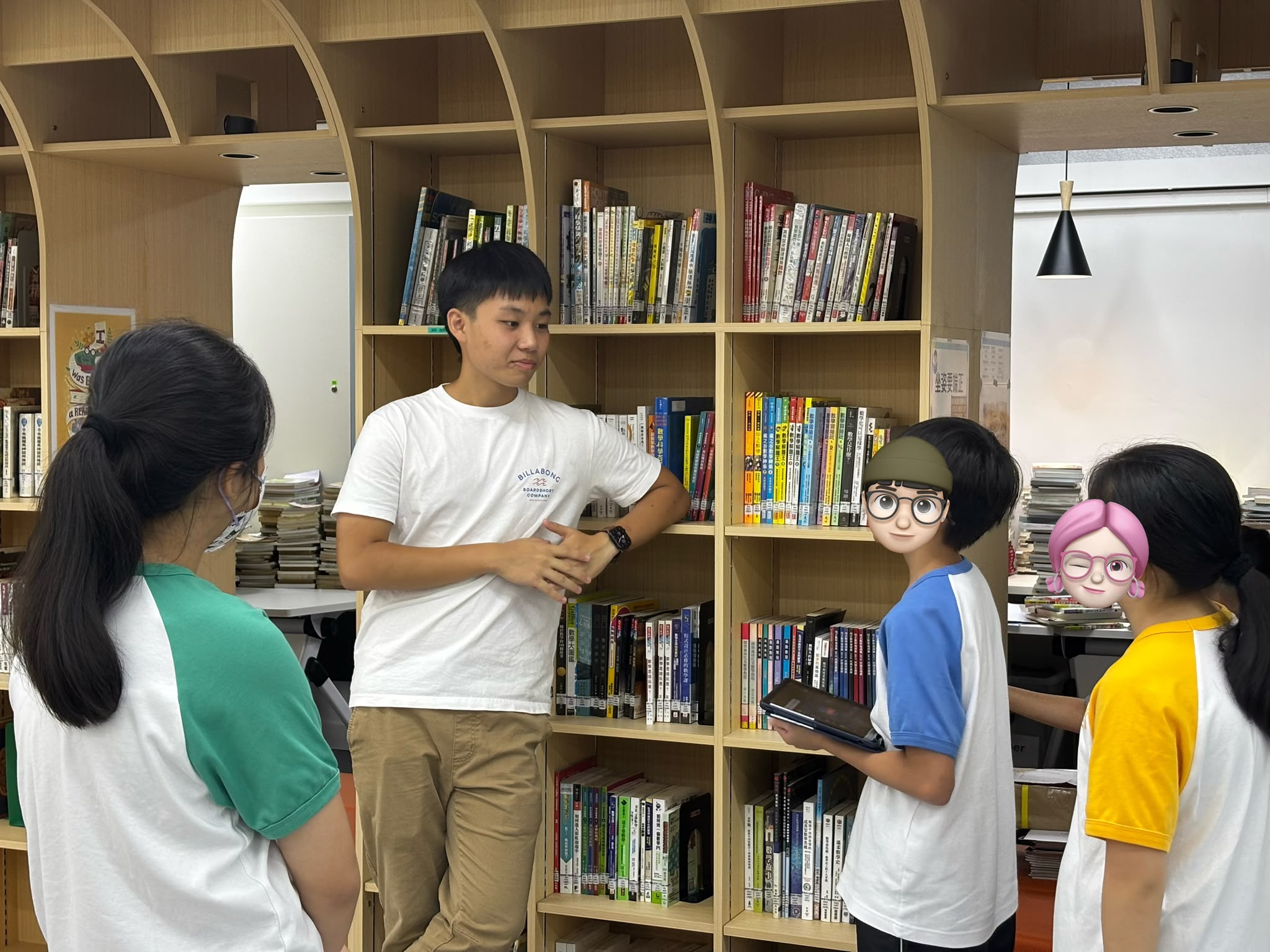
This is where the Test stage of Design Thinking is most valuable. A plan that looks perfect on paper meets unexpected conditions in the real world. Through repeated failure and adjustment, students experienced the real rhythm of engineering: you rarely get it right the first time, so you keep iterating.
A pleasant surprise: a student-made promo video
The highlight of the lesson was that some students, on top of designing and testing their solution, shot a video on their own initiative to promote their invention to teachers and classmates in the next lesson.
Nobody asked them to. But when students truly believe in their idea, they naturally ask, "How do I help others see why this matters?" That instinct to go from building something to explaining it is exactly the innovator mindset we hope the programme builds.
The last 30 minutes: building a pitch for the whole school
In the final half hour, the Instructor guided students to design a 5-page pitch deck, ready to present their inventions to the whole school next Saturday.
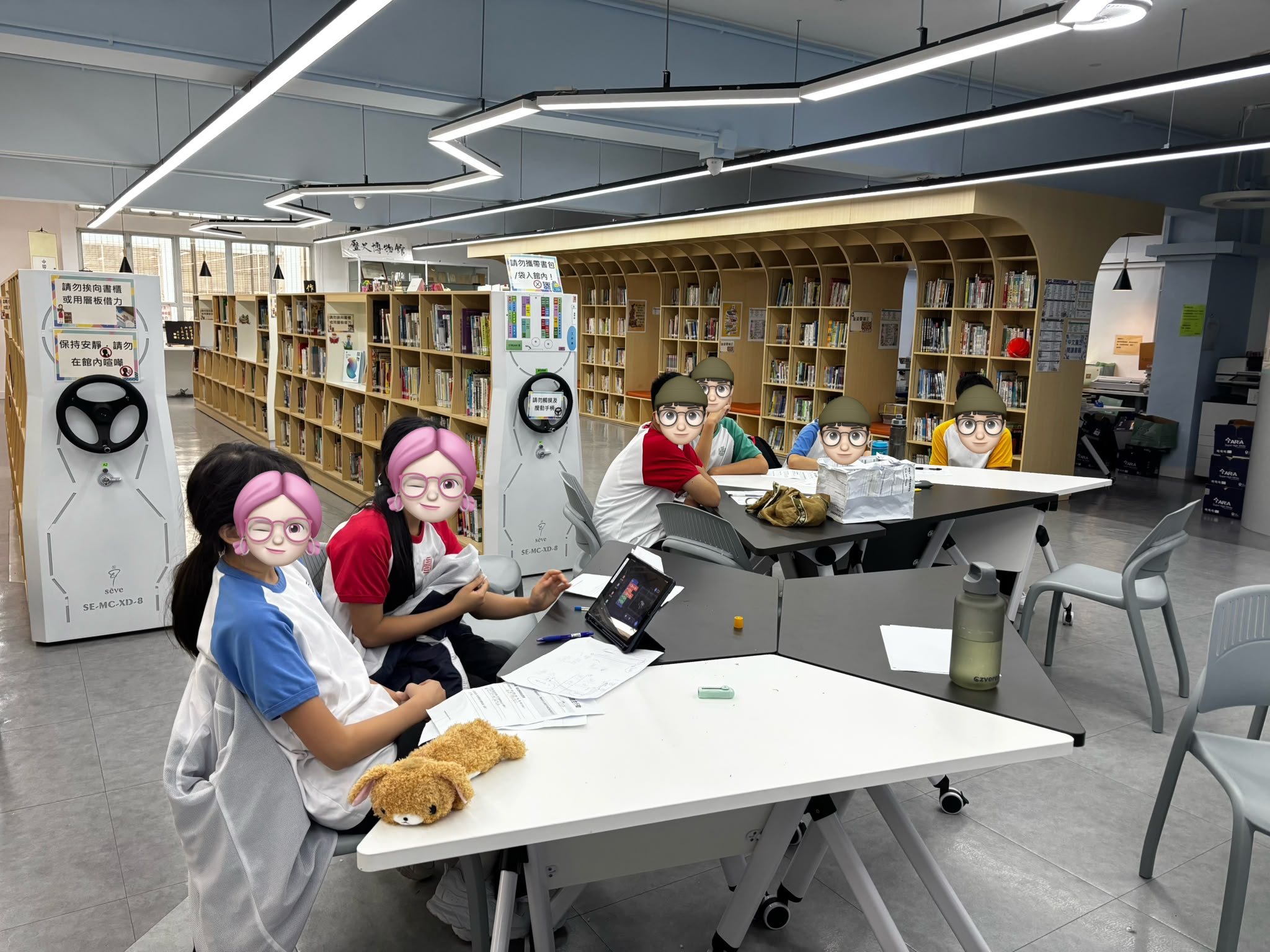
Moving from storyboard to pitch makes students reorganise their thinking: What is the problem? Why does it matter? How does our solution address it? What did the robot dog actually achieve? It trains them to turn a technical result into a story others can understand and support.
The four group solutions
Here are the four solutions the groups proposed and tested, all drawn from the campus they live in every day:
Group 1: Library book carrier
The robot dog helps carry library books around campus, reducing the back-and-forth of moving books by hand.
Group 2: Exercise book and textbook carrier
The robot dog delivers exercise books and textbooks, making the daily routine of handing out and collecting work easier.
Group 3: Lunch box carrier
Designed around lunchtime needs, the robot dog helps deliver lunch boxes.
Group 4: The walking rubbish bin
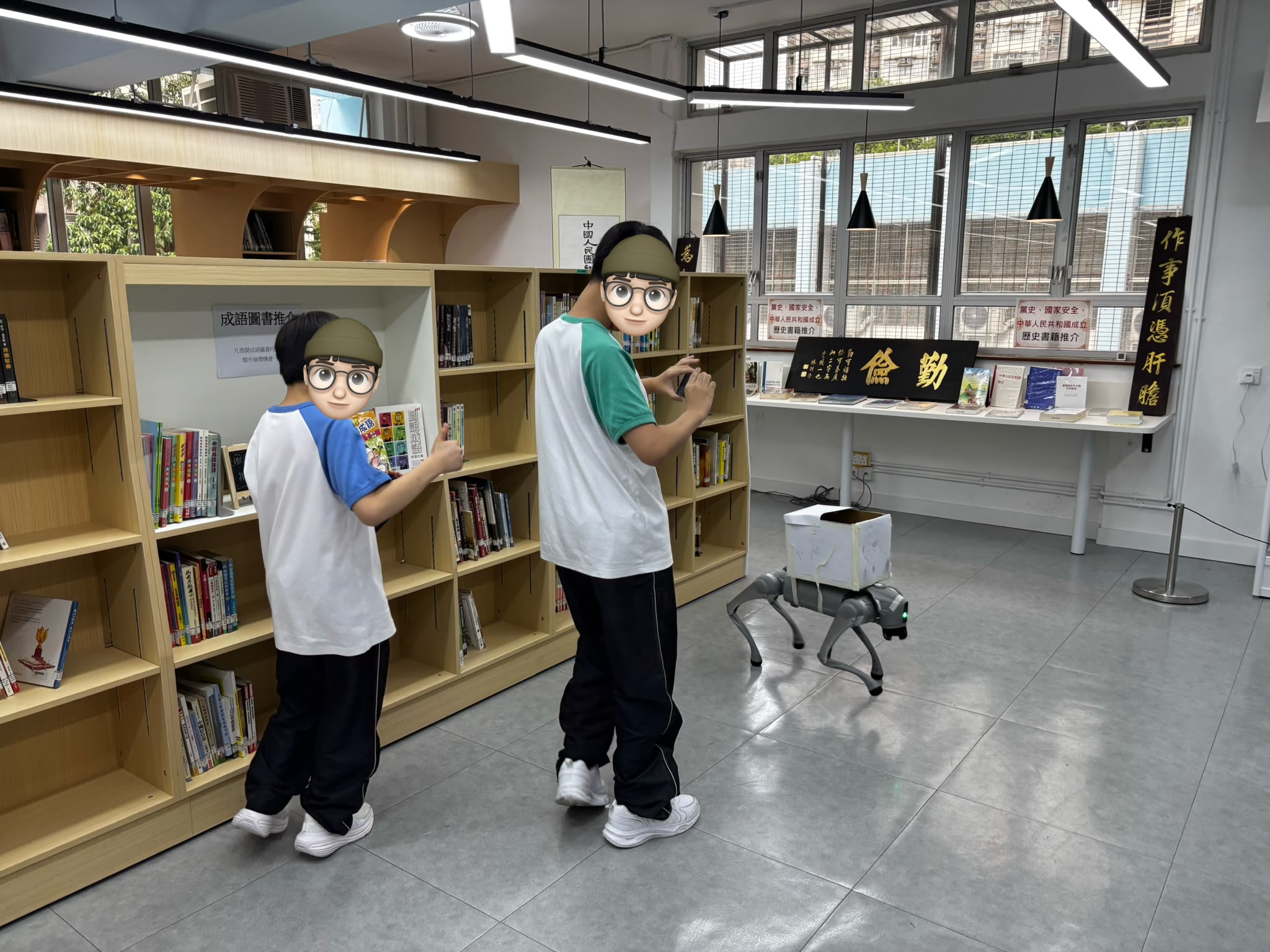
A rubbish bin mounted on the robot dog walks up to students, encouraging everyone to tidy up and keep the campus clean.
None of these solutions chase flashy tricks. Each starts from real school life and finds where the robot dog, within its actual capabilities, can genuinely help.
What we believe
The robot dog is only a tool. What UniTree@Innovation really aims to build is the full cycle of skills: noticing problems around you, proposing a solution, testing it hands-on and explaining the result clearly.
In Lesson 3 at Assembly of God Hebron Secondary School, we saw students debate over a single idea, rewrite code again and again to fix a drifting step, and even shoot their own promo video. Moments like these come closer to the meaning of innovation education than any perfect demo.
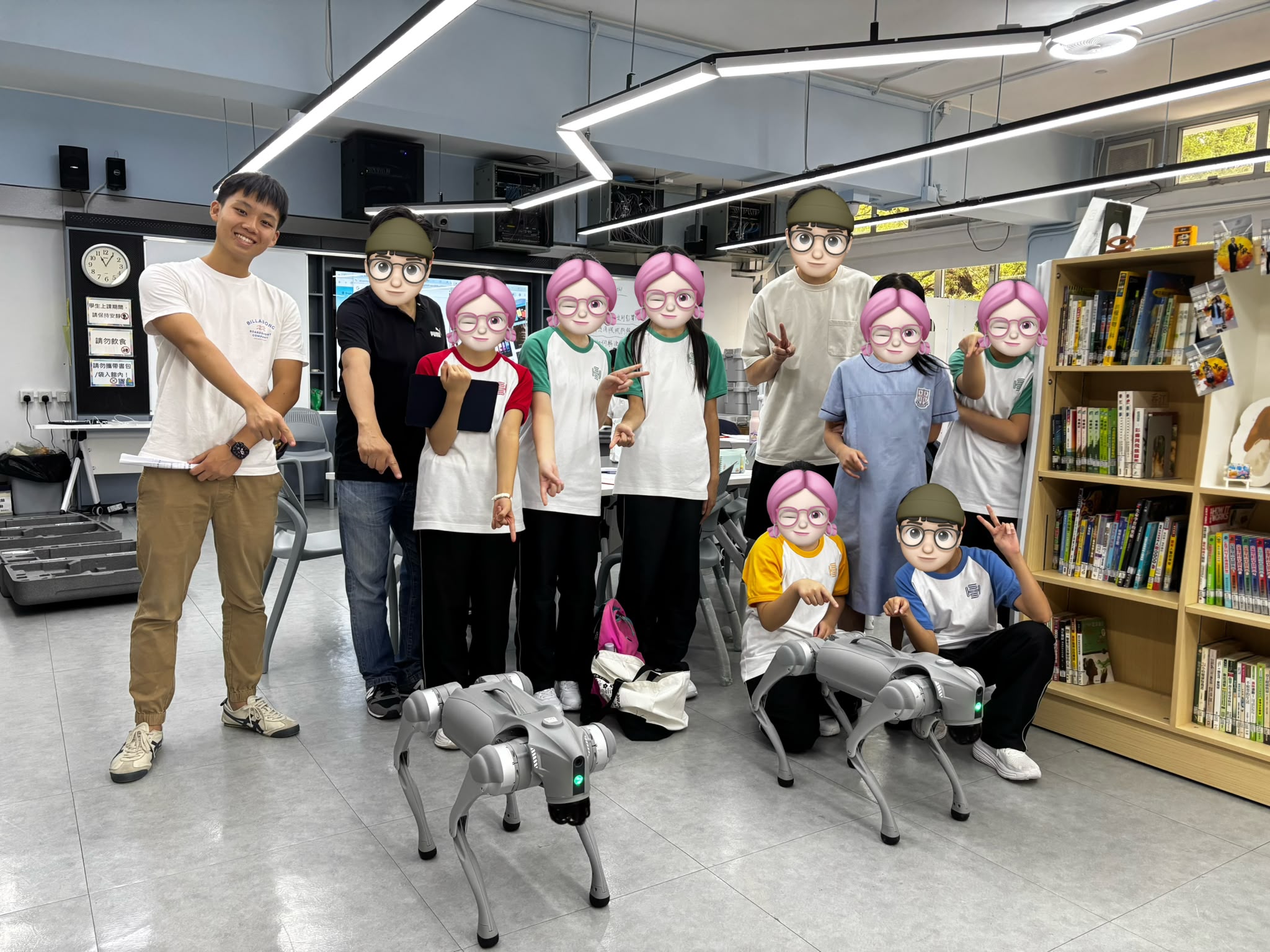
Next Saturday, we look forward to seeing them present their inventions to the whole school.